


The Iranian regime has killed at least 38 people, including 8 children, since a wave of popular protests erupted across the country, defying President Donald Trump’s repeated warnings that the United States will use military force if the Islamic Republic murders civilians.
The Islamic Republic has killed anywhere from 38 to 57 civilians since nationwide protests began 12 days ago, according to multiple Iranian human rights organizations, and the uprisings have spread to around 110 cities in all 31 of the country’s provinces. The death toll is expected to climb Thursday night after Iranian authorities cut off internet access across Tehran and several other cities, giving security forces cover to open fire on demonstrators. The regime, which routinely tortures and abuses dissidents, has detained at least 1,200 others.
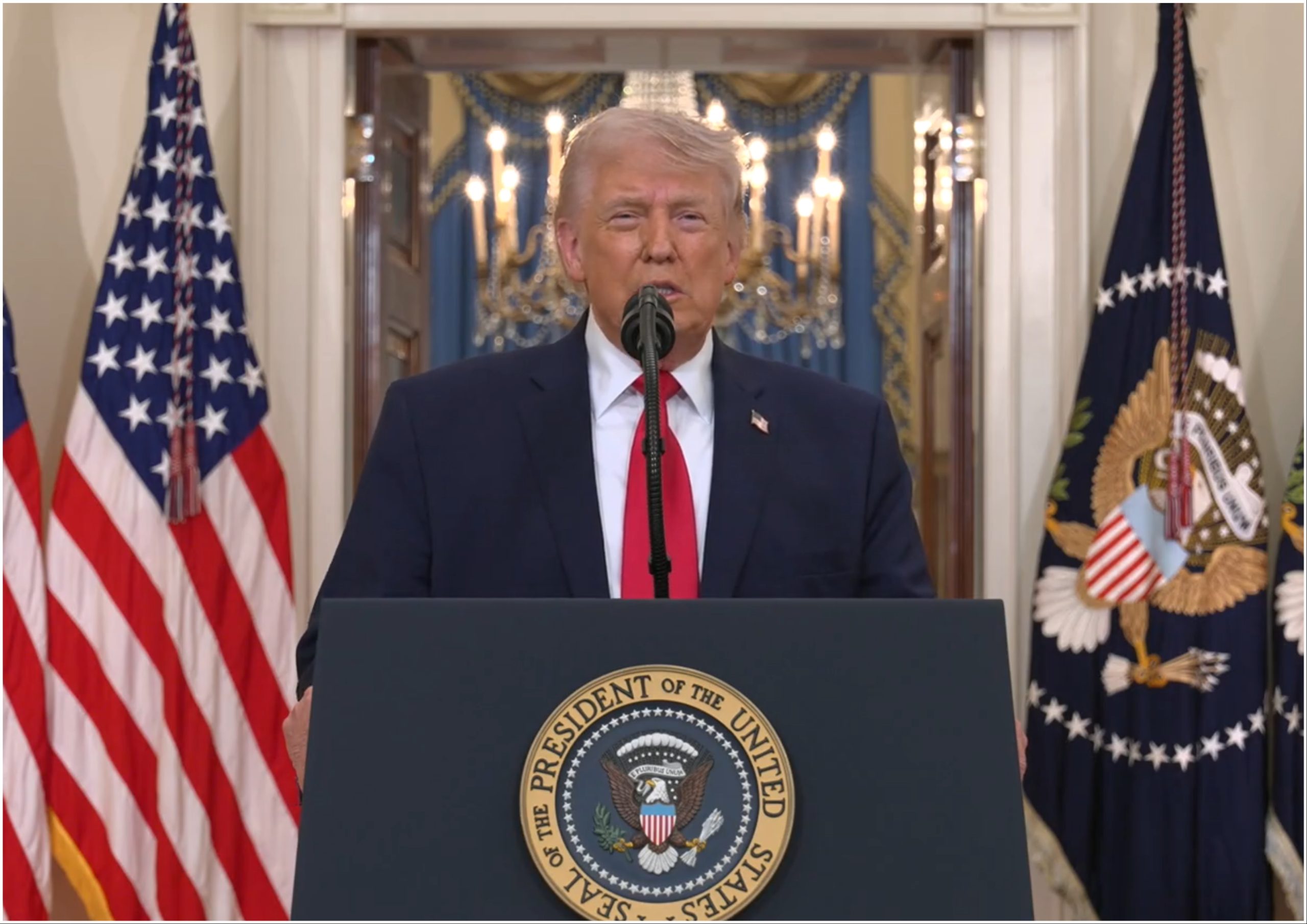
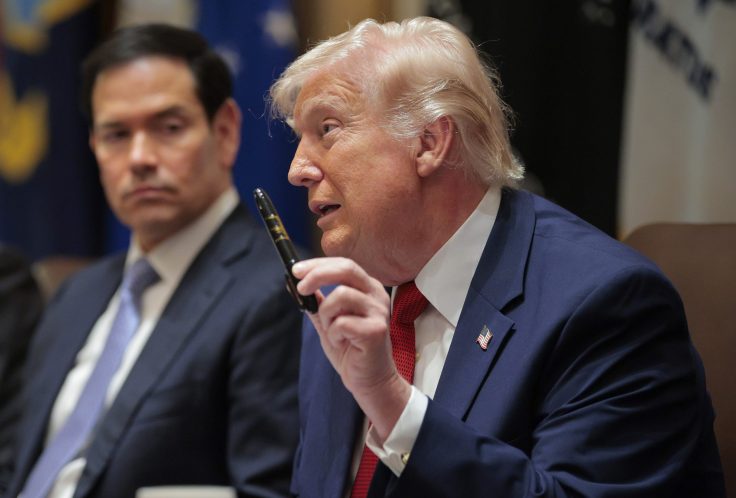
Iran’s bloody response comes after Trump promised multiple times that the United States would not tolerate a violent crackdown.
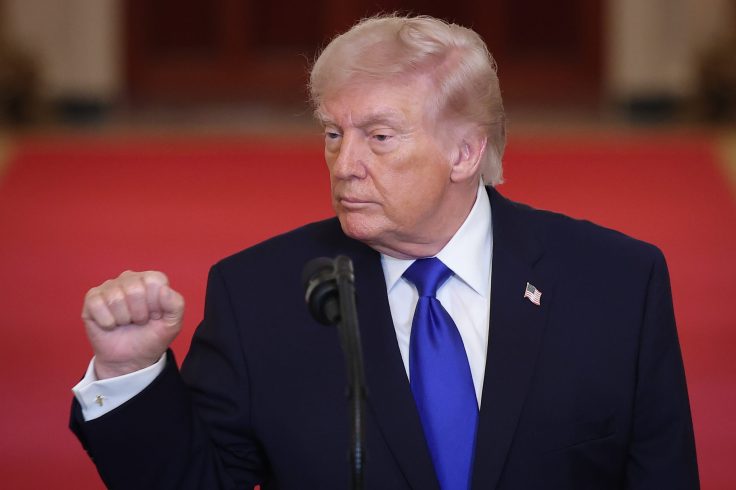
"I have let them know that if they start killing people, which they tend to do during their riots—they have lots of riots—if they do it, we’re going to hit them very hard," Trump said in a phone interview on the Hugh Hewitt Show on Thursday. "They know, and they've been told very strongly—even more strongly than I’m speaking to you right now—that if they do that, they’re going to have to pay."
The president’s words on Thursday echoed several statements he has issued since unrest in Iran began. On Sunday night, after the successful capture of Venezuelan dictator Nicolás Maduro, Trump told reporters that the Islamic Republic will "get hit very hard by the United States" if it kills protesters. Just days after the movement started, Trump wrote on Truth Social that, if Iran meets demonstrators with violence, "the United States of America will come to their rescue," adding, "We are locked and loaded."
Andrew Ghalili, senior policy analyst at the National Union for Democracy in Iran, told the Washington Free Beacon that Trump's warnings have "likely already saved Iranian lives" even as the Islamic Republic has killed dozens of protesters, "because the regime is not eager to test whether he is bluffing, especially after watching Maduro."
The protests began in late December as an outcry against the plummeting value of the Iranian rial, with business owners composing the first wave of demonstrators. The unrest quickly spread to the rest of the country. The protests present such a significant threat to the regime's grip on power that Ayatollah Ali Khamenei has prepared an escape plan to flee Tehran and seek refuge in Moscow if the uprising spirals beyond his control, according to an intelligence report shared with the Times of London.
NetBlocks, an internet monitoring service, reported a "nationwide internet blackout" on Thursday night, according to CBS News. The Iranian regime has been known to cut off internet access during times of domestic tumult, hoping to ensure that records of its crimes against its population do not spread. At the same time, videos circulating on social media show crowds of civilians chanting anti-regime slogans and setting fire to photographs of former Iranian general Qassem Soleimani, whom Trump killed in a January 2020 drone strike.
Videos taken on Thursday from Mashhad, a city in northeast Iran, showed growing crowds gathering to demonstrate against the clerical regime.
Similar videos were taken in Tehran on Thursday evening after the regime cut internet access.
"Khamenei, you murderer! [You'll survive] only in your dreams!" protesters could be heard yelling in another video from Karaj, the capital of Iran’s Alborz province.
Other viral videos show Iranians renaming various streets in the country after Trump and writing appeals to the president like, "Don't let them kill us."
Nick Stewart, who served as the State Department Iran Action Group’s chief of staff during the first Trump administration, told the Free Beacon that Trump’s threats to dispatch the U.S. military are far from empty.
"Red lines exist to be enforced," said Stewart, now the managing director of advocacy at the Foundation for Defense of Democracies' sister organization, FDD Action. "The administration has the full spectrum of tools at its disposal, from covert action to overt strikes, and now is precisely the moment to use them."
With Maduro gone and the Iranian regime still reeling from last year’s 12-day war with Israel, Khamenei’s government "is more vulnerable than it has been in decades," Stewart said. "The brave Iranian protesters see that. It's vital that the United States does, too. The regime is on its back foot. We must help keep it there until it falls."