


Matthew Continetti is a resident fellow at the American Enterprise Institute and founding editor of the Washington Free Beacon. The author of The K Street Gang: The Rise and Fall of the Republican Machine (Doubleday, 2006) and The Persecution of Sarah Palin: How the Elite Media Tried to Bring Down a Rising Star (Sentinel, 2009), his articles and reviews have appeared in the New York Times, Atlantic, and Wall Street Journal. He lives in Virginia.
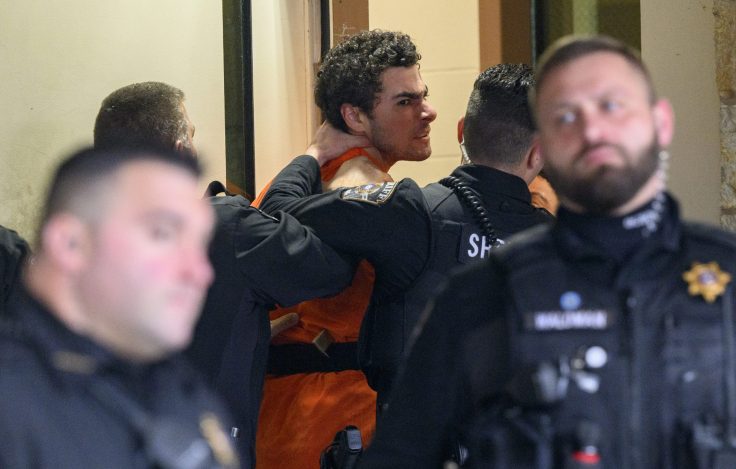
America is contracting. It pulls back from the world, its people pull away from each other. Last week’s Wall Street Journal report that President Trump ordered the withdrawal of slightly more than a quarter of our troops in Germany went unnoticed amid the domestic unrest following the police killing of George Floyd. The truth is that the two stories, foreign and domestic, are related. They are dual aspects of a loss of national self-confidence, an outbreak of intellectual and moral uncertainty, and an unpredictable, erratic, and easily piqued chief executive. Violence—here, there, and everywhere—is the result.
In 1969, Irving Kristol was appointed Henry R. Luce professor of urban values at New York University's Stern School of Business. He delivered his inaugural lecture the following spring. Its title, "Urban Civilization and Its Discontents," a play off of Sigmund Freud's Civilization and Its Discontents, guaranteed the audience a typically wide-ranging presentation from a New York intellectual in the middle of a journey from anti-Communist liberal to neoconservative godfather.
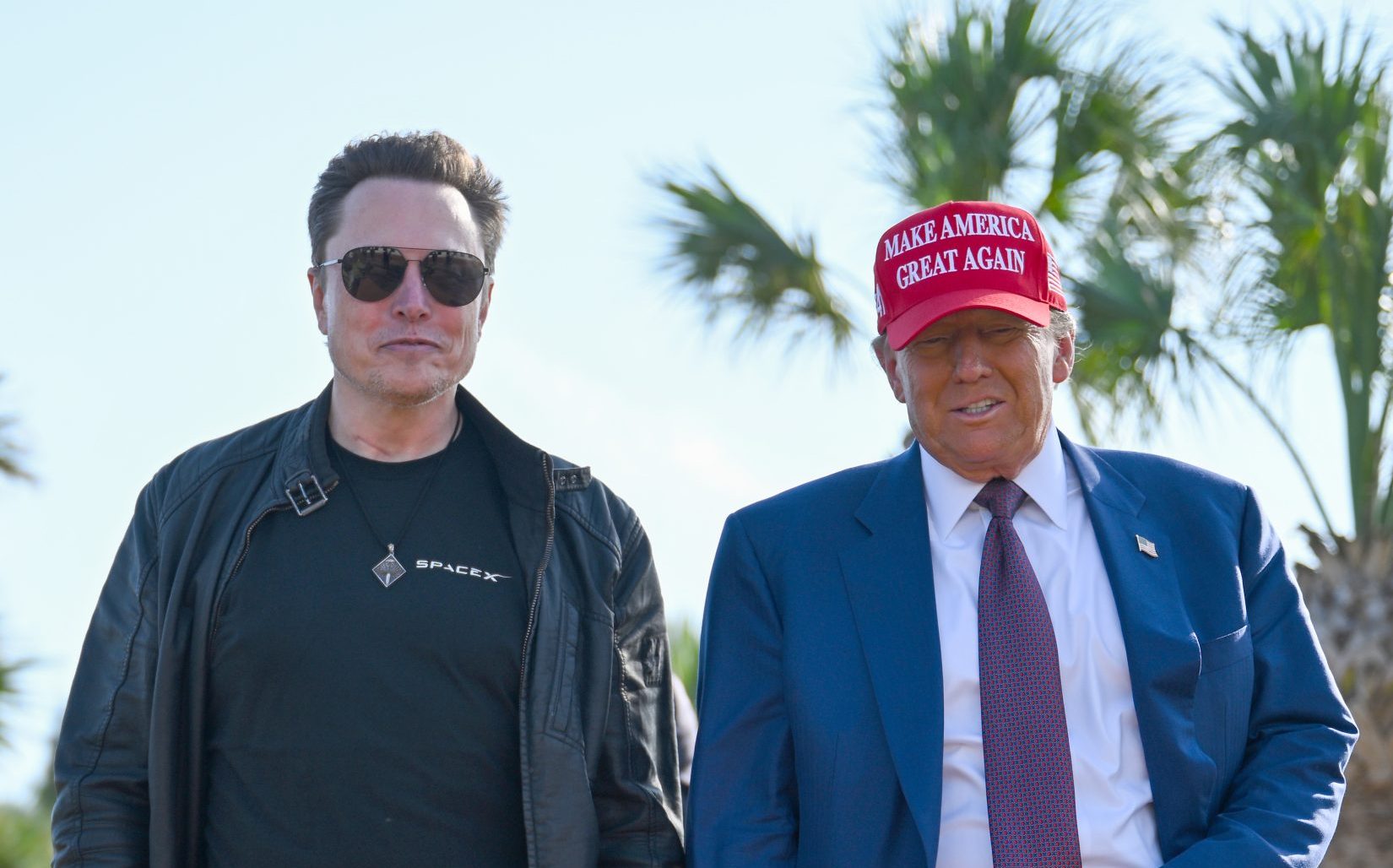
President Trump was disappointed. Bad weather on Wednesday forced a delay in SpaceX’s planned launch of the Dragon spacecraft, robbing the president of a prized photo opportunity. He plans to attend the next launch window, scheduled for May 30 at 3:22 p.m. EDT, but the spoiled visit to Florida punctuated another week of foreboding news from the campaign trail.
A few hours after this column appears on the internet, more than 30 liberal activists will meet online to plan your future. The gathering is called the "Friday Morning Group." It comprises, according to The New York Times, "influential figures at labor unions, think tanks, and other progressive institutions." These influential figures, the Times goes on, believe that when Democrats last had full control of the federal government, between 2009 and 2010, they did not "take the initiative in specifying plans for achieving large-scale change." They hope to correct this mistake. What happens on November 3 might give them the chance.
It was congresswoman Pat Schroeder, Democrat from Colorado, who labeled Ronald Reagan the "Teflon" president in a fit of exasperation in August 1983. What frustrated Schroeder was that nothing "stuck" to Reagan—not the recession, not his misadventures in Lebanon, not his seeming detachment from his own administration. Reagan's job approval had plunged to a low of 35 percent in the beginning of that year, but his numbers were rising and his personal favorability remained high. "He is just the master of ceremonies at someone else's dinner," she said.
Very soon, you and I will have to figure out how to navigate a semi-open America where coronavirus is a terrible fact of life. The lockdowns and stay-at-home orders that state and city governments announced in March are breaking down. This is not red-versus-blue. This is reality. Two weeks ago, Georgia's Republican governor Brian Kemp faced widespread criticism for his easing of restrictions on business and outdoor activities, even as Colorado's Democratic governor Jared Polis did the same thing. Now most states are joining in.
I and about six million other people have been enjoying The Last Dance, the Michael Jordan documentary currently on ESPN. It tells the story of the Chicago Bulls' 1997-1998 season and contains many pleasures. There is incredible imagery, new interviews with Jordan, Scottie Pippen, Phil Jackson, and Dennis Rodman, gossip and intrigue, and, above all, the presence on television, albeit commemorative, of professional sports.
The coronavirus struck America during an era of polarization. Politics was bitterly divided. The two sides did not just disagree. Partisans existed in separate realities, with different religious commitments, moral attitudes, policy priorities, and sources of information. The gaps between blue states and red states, and between the rural and urban areas within them, seemed unbridgeable. Some analysts spoke of a "cold civil war." Its resolution would decide the nation's fate.