


The 10-year anniversary of Great Britain voting to leave the European Union is a moment to mark how the dire predictions of Brexit opponents have largely failed to come to fruition.
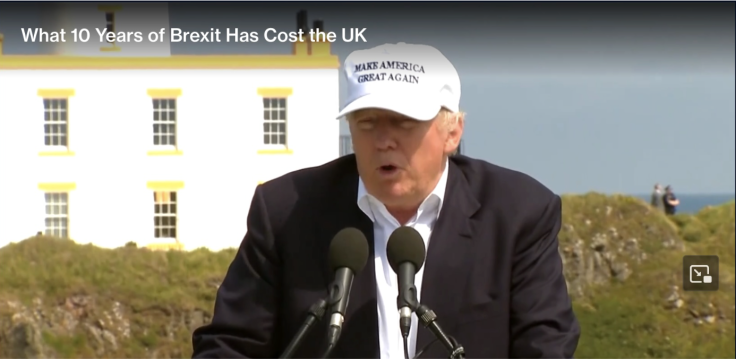
Instead, the U.S. press is painting Brexit as a failure and as the sole cause of all of the U.K.’s many ills. The New York Times, quaintly catering to readers who think there’s any remaining distinction between the paper’s news and opinion sections, published two long articles making the same point. "10 Years After Brexit, the Dismal Verdict Is In," an opinion piece claimed, while a news article averred that "Brexit has damaged the British economy and the costs have steadily accumulated over the past decade, greatly outweighing any benefits, economists say." Bloomberg News weighed in with a 20-minute-long video, "What 10 Years of Brexit Has Cost the UK."
The analysis is flawed. Britain’s exit from the European Union took official effect on January 31, 2020. Using the referendum date rather than the actual exit date as the sole basis for analysis makes little sense. Neither the Times news article nor the opinion piece reports that in 2021, the first full year of the non-EU U.K. economy, real GDP grew by 8.5 percent, outpacing competing European economies such as France (6.9 percent) and Germany (3.9 percent), according to World Bank data. Nor do the Times articles report that the post-Brexit U.K. far outpaced the EU in pace of administering COVID vaccines, which at the time was a significant measure.
Both the Times news article and the opinion piece rely on a Stanford paper, The Economic Impact of Brexit, also published as a National Bureau of Economic Research working paper. That paper is from November 2025, too soon for the "decade" verdict. The former CEO of the "Vote Leave" campaign, Matthew Elliott, does a nice job of debunking that research. "The most-cited study on this question comes from the National Bureau of Economic Research which argues that our economy is eight per cent smaller than it would have been had we not left the EU. The researchers set up a so-called Doppelganger economy to chart how the UK would have performed without Brexit. Effectively, this approach means that you create a composite economy from a series of similar ones and use this to forecast how the UK would have performed had it remained in the EU," Elliott writes. "There’s just one problem; rather than using France and Germany – economies which closely mirror the UK – 71% of the Doppelganger is comprised from the USA and Estonia. I would love Britain to have the low energy prices, entrepreneurial culture and lower simpler taxes of these economies, but we don’t and this was not going to change had we remained in the EU."
The United Kingdom has lots of problems. Leaving the EU was not a cure-all, but neither is it the cause of all of the U.K.’s problems. And there were arguments for leaving that don’t strictly relate to economic growth but go to religion, culture, self-rule, sovereignty, and national security. It’s not all about tariffs and the free movement of goods, but about whether Britain wants to welcome every Turkish and Syrian immigrant who has managed to make their way to Germany.
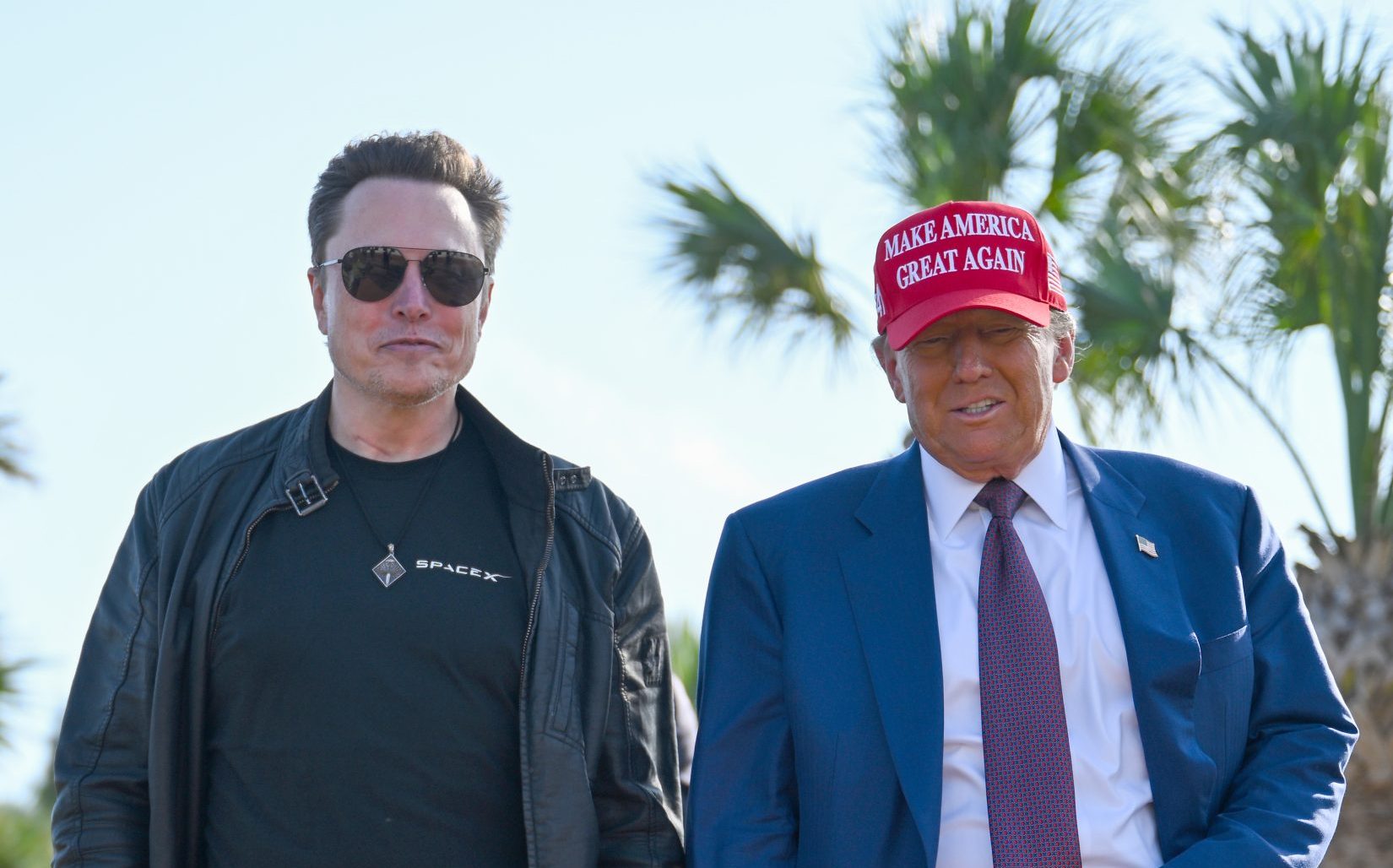
So why is the U.S. press so eager to paint Brexit as a failure? Thirty-eight seconds into the Bloomberg video is a clip of President Trump in a "Make America Great Again" hat. The Times opinion piece, roughly 2,300 words long, mentions Trump seven times: "A few months after the Brexit referendum, when the United States selected Mr. Trump as its president and read the rites over Pax Americana, America chose exceptionalism, too." It concludes, "‘Taking back control’ left Britain alone. ‘Making America great again’ may yet come to mean the same to America." If Brexit failed, maybe Trump will fail, too.
That possibility animates Times readers, as can be seen from the reader comments. "The United Kingdom and America may be two countries divided by a common language, but they are now united by an inexplicable taste for political insanity," reads a comment upvoted by 1,500 Times readers. It actually is explicable as a reaction to elite smugness of the variety on display in the Times reader comments.
Another comment, upvoted by 3,200 Times readers, declares, "The election of Donald Trump was ‘Brexit’ for the USA. Most Americans still have no idea of the damage that was/is being done by this administration. In the years to come our children and grandchildren will be paying the cost." It’s almost like they are rooting for America to fail so that they can get an I-told-you-so about Trump along the lines of the attempted I-told-you-so about Brexit.
Does anyone other than academic economists, Labour Party professional politicians, and Bloomberg and New York Times editors seriously think Britain would be substantially better off if it had left the Brussels bureaucrats in charge?