

After weeks of threats, taunts, bombs, dramatic rescues, and careening markets, the world is holding its breath as the two-week ceasefire begins in the Middle East. The United States and Israel inflicted a significant amount of damage on Iran during the most recent campaign, but the negotiations set to begin later this week in Pakistan could determine the victor of this stage in the conflict.
These negotiations can only occur if the ceasefire holds, which is already under question. All sides seem to agree on the broad outlines of the deal, that hostilities will pause for two weeks and the Strait of Hormuz will open during that period. But Iran now claims that the deal requires Israel to stop its campaign against Hezbollah, and Israel and the United States do not agree. If Iran’s leaders attempt to close the Strait, that will violate one of President Trump’s red lines and, presumably, restart the fighting.
If Iran caves on its attempt to shield Hezbollah from its foolhardy decision to attack Israel again, the real negotiations can proceed. Publicly, Iran has stuck to a 10-point plan that White House press secretary Karoline Leavitt dismissed Wednesday as "fundamentally unserious, unacceptable and completely discarded. It was literally thrown in the garbage by President Trump and his negotiating team." The mullahs seem to have sent a different set of points that Trump called "a workable basis on which to negotiate" in his ceasefire announcement. "It's not good enough," he added the next morning, "but it's a very significant step."
Those terms are not yet known, but Trump’s demands are. The ceasefire will hold, "subject to the Islamic Republic of Iran agreeing to the COMPLETE, IMMEDIATE, and SAFE OPENING of the Strait of Hormuz." Wednesday morning, he added "there will be no enrichment of Uranium, and the United States will, working with Iran, dig up and remove" the nuclear material buried in last summer’s strike.
Forcing Iran’s rulers to give up their nuclear program and agree to inspections that verify their continued compliance would be a significant victory. For decades, Iran’s rulers have claimed that they have the right to enrich uranium. According to the director general of the International Atomic Energy Agency, Rafael Grossi, they used that supposed right to stockpile enough uranium that was just shy of weapons-grade to make 10 bombs. Other parts of the regime have researched how to use that material to make nuclear weapons. The knowledge of how to make a nuclear bomb cannot be fully removed, but the material needed to do so can.
This would not fully blunt the threat to the Strait, but it would dull it. The United States can demonstrate that closing the Strait is a losing proposition for Iran without necessarily forcing it open in combat. The regime has prioritized the nuclear program for decades over nearly everything else, especially the wellbeing of the Iranian people. Abandoning it despite having blocked the Strait would reveal to all that the regime fears continued American and Israeli bombardment far more than many believe. Threats to the Strait could still spike oil prices at inopportune times, much as they did before the war, but they would be a dead man’s hand, not a trump card.
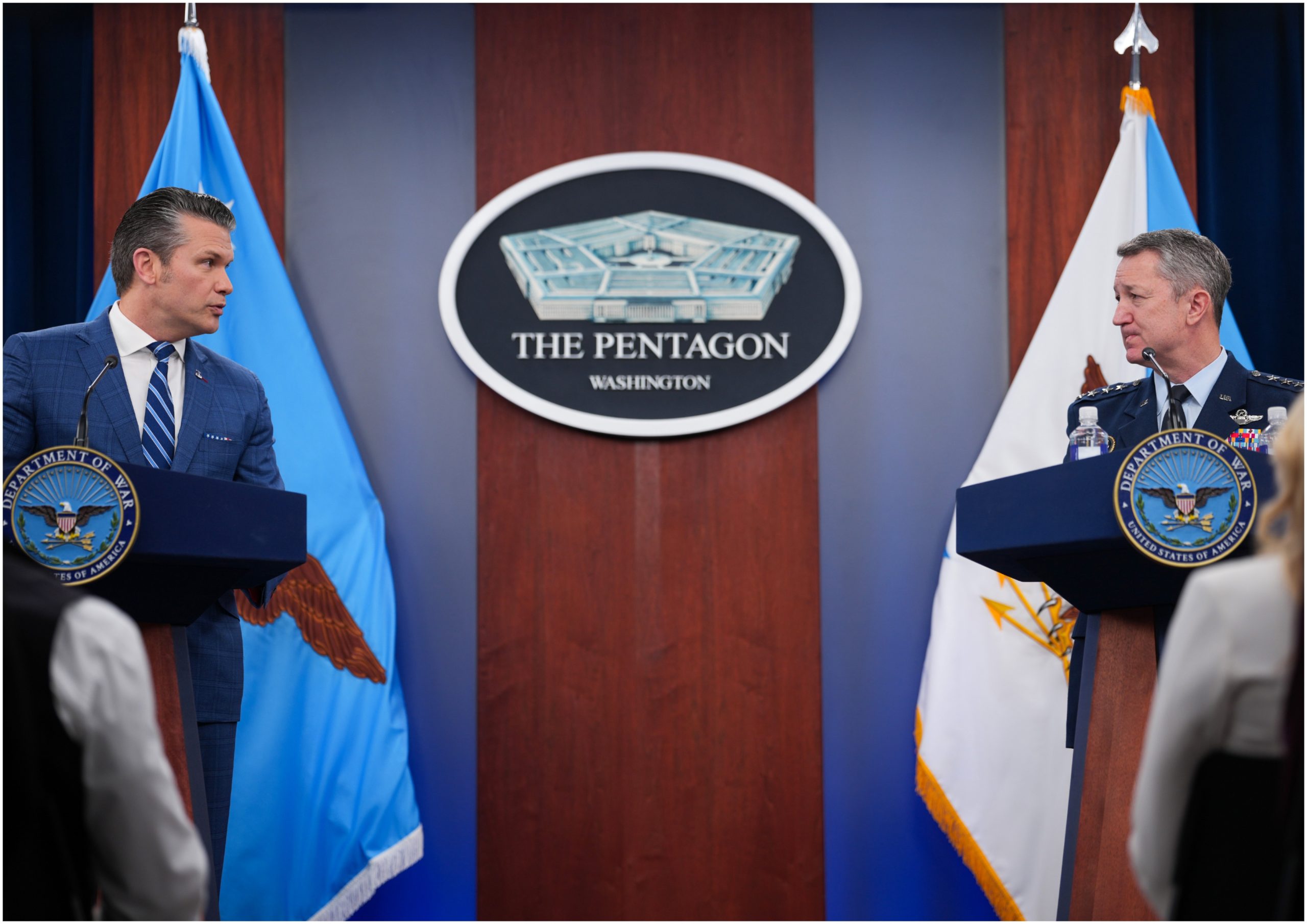
A victory of this kind would not bring true peace to the region, but it would constrain Iran’s options. Iran had depended on its legions of terrorist lackeys and missile arsenal to deter the United States and Israel from halting its nuclear program. But the proxies have had little impact on this round of fighting. Gen. Dan Caine said that over 80 percent of Iran’s missile facilities are "gone," the United States "hit" a similar share of its nuclear industrial base, and "attacked" about 90 percent of Iran’s weapons factories. If Iran’s minions are neither reliable nor effective, its long-range missiles depleted and irreplaceable, and its threat to close the Strait defeatable, the mullahs will need to find new options to threaten their neighbors and the United States.
This would buy time to protect the Strait or find alternatives to it. Iran will likely double down on relatively inexpensive drones and smaller boats, but Ukraine has already concluded deals with Saudi Arabia, the UAE, Qatar, and Jordan to equip them with countermeasures. Iran attacked Saudi Arabia’s pipeline to the Red Sea shortly after the ceasefire went into effect, and the oil-producing Arab states will likely expand their overland options for bypassing the Strait.
A denuclearized and diminished Iran ruled by fanatics would still be an enemy of Americans, their friends, and their allies, but it would pose a far more manageable threat than the one that greeted Trump at his inauguration. Stopping Iran from getting the bomb would also fulfill one of Trump's lifelong goals. That would be a victory worthy of celebration.