

Harvard is no longer the most productive research university in the world, according to a respected global ranking that assesses schools on academic publication. The Ivy League darling dropped to number three in 2025, surpassed by two Chinese universities that managed to excel despite an alarming lack of racial diversity.
The outcome was humiliating for American universities. Red China, one of the most ethnically homogenous countries on Earth, dominated the rankings, which were compiled by the Centre for Science and Technology Studies at Leiden University in the Netherlands. Of the top 25 schools for research output, 19 were Chinese and just 3 were American. Yale University ranked 64th, behind the University of Minnesota and just ahead of King Saud University in Riyadh.
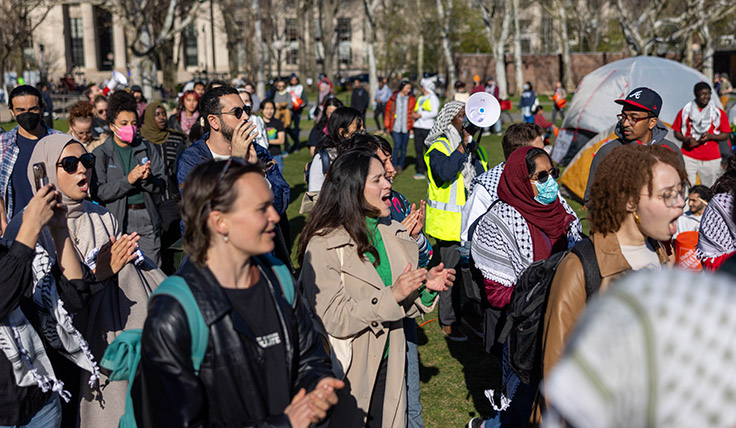
It was especially humiliating for Harvard, which has long prided itself on being the global leader in academic research. Its leaders have repeatedly argued that "diversity and difference are essential to academic excellence"—a view shared by officials at other elite universities. Lee Bollinger, the former president of Columbia University, once said that American higher education was "the envy of the world not in spite of, but because of, its unrivaled commitment to diversity." Columbia ranked 54th in research output behind the University of Florida, Ohio State University, and the University of British Columbia in Canada.
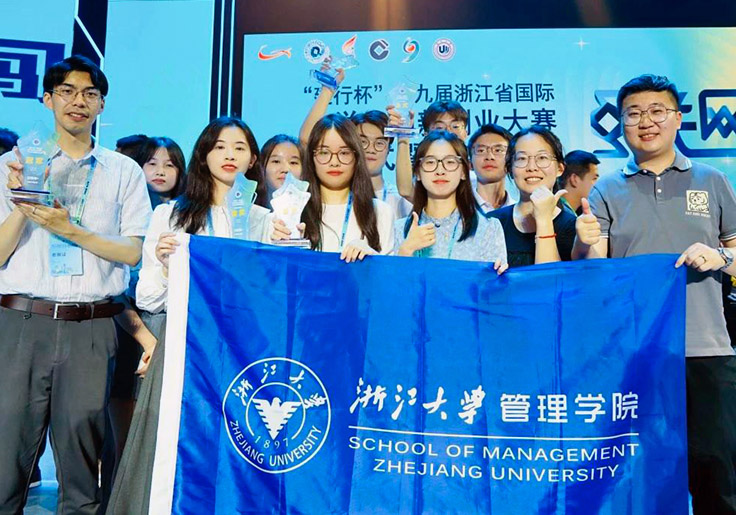
The top-rated school for research productivity—Zhejiang University in Hangzhou, China—does not appear to share the Ivy League's rigorous commitment to diversity. Chinese universities do not publish race-based demographic breakdowns of their faculties and student bodies, but Zhejiang University's own figures suggest that roughly 90 percent of its students are Chinese nationals.
China all but prohibits foreigners from becoming citizens, which means that even if every single one of Zhejiang's international students were people of color, the university's BIPOC representation would top out at around 10 percent. Most Ivy League schools, by contrast, boast that roughly 50 percent of their students identify as people of color.
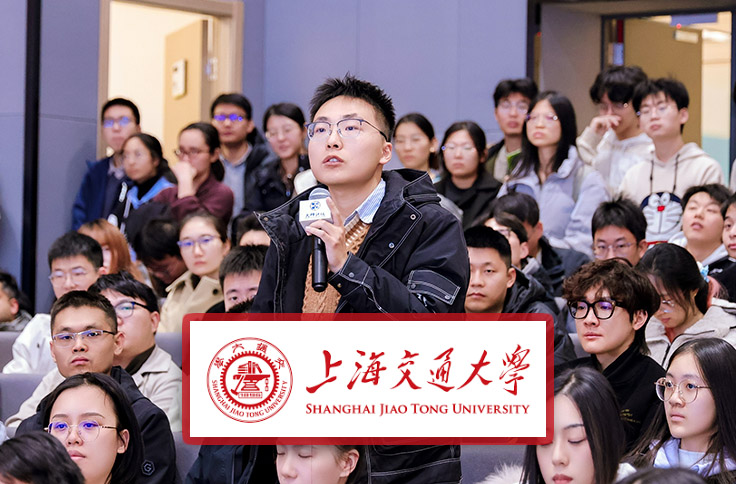
The actual BIPOC representation at Zhejiang is undoubtedly much lower than 10 percent. A Washington Free Beacon analysis estimates that Black, Latino, and Native American students comprise less than 1 percent of the student body. Certain subgroups that help form the "diverse tapestry of excellence" at Ivy League universities—Russian oil scions, Qatari royalty, transgender Palestinians—are unlikely to be represented at all. The same is true at Shanghai Jiao Tong University—the other Chinese school that ranked ahead of Harvard.
Harvard fell in the rankings despite publishing more research now than it did two decades ago, when it was the undisputed global leader in the category. Some would likely argue that the decline was a direct result of the U.S. Supreme Court's ruling striking down race-conscious admissions in 2023. Harvard's top brass lamented the ruling and reiterated their view that "deep and transformative teaching, learning, and research depend upon a community comprising people of many backgrounds, perspectives, and lived experiences."
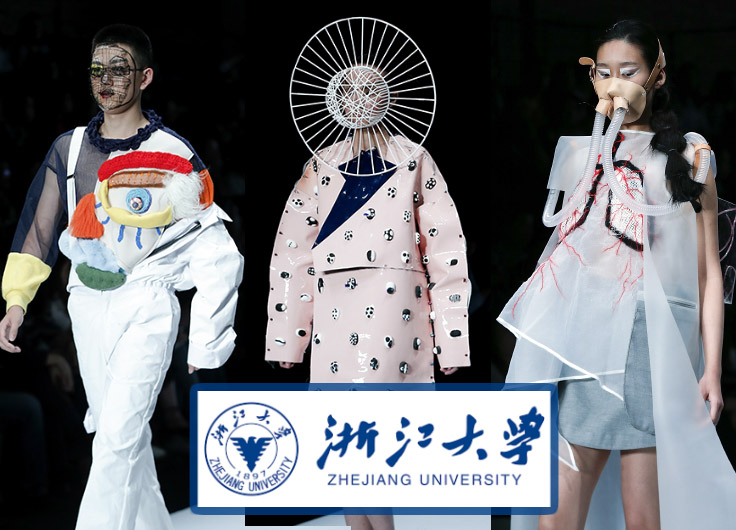
The success of China's higher education system is clear evidence to the contrary. A further Free Beacon analysis found that China's lack of diversity was no obstacle in other categories long dominated by American universities, including the production of weird nonsense masquerading as art. Photos from China Graduate Fashion Week at Zhejiang University in 2016 suggest Chinese "art" students are just as "capable" as their American counterparts.