



Picking Losers

Lawsuit accuses Obama Energy Department of cronyism in green energy loan program, leaked patented technology
XP Vehicles

A high-technology electric car manufacturer and its related battery manufacturer are suing the Department of Energy, alleging the department improperly denied the companies a loan and leaked patented technology to competitors.

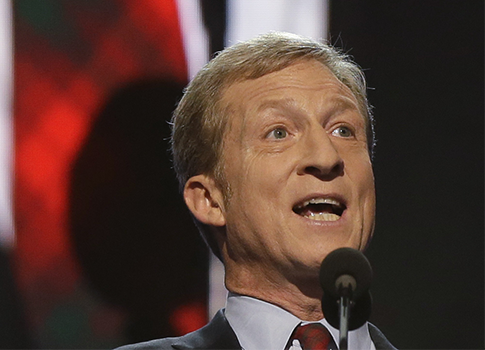
Tom Steyer’s Bet is Paying Off

Column: Meet one of Barack Obama’s richest green energy cronies
Tom Steyer / AP

Those curious to know how Washington functions in the era of Barack Obama would benefit from reading a Dec. 17 item by Al Kamen in the Washington Post. Its 333 words pretty much sum things up.

Dirty Harry’s Clean Energy Cronyism

How Harry Reid has been pulling strings for Chinese solar energy company
Sen. Harry Reid / AP

Senate Majority Leader Harry Reid (D., Nev.) has been working to secure sweetheart deals for Chinese green energy firms, according to reports.

Loose Bulbs

Department of Energy allowed light bulb manufacturer to skirt the rules in L Prize competition, documents suggest
AP Images

The Department of Energy awarded lighting giant Philips the $10 million L Prize despite the fact that the winning energy-efficient bulb failed to meet several contest criteria requirements, according to documents obtained by the Washington Free Beacon.

DOE May Have Cut Corners for $1.6 Billion First Solar Loan

EdStock/iStock

GOP members say the Energy Department cut corners to approve a $1.6 billion loan to an Arizona solar firm with ties to the Obama administration. The inquiry into loans to First Solar, which both makes solar panels and assembles solar facilities, is the latest accusation in Republicans’ long-running investigation into the Energy Department’s green energy loan program.

Obama’s Dim Bulbs

U.S. Taxpayer paid Philips Global $10 million and all they got was a $50 light bulb
AP Images

The Department of Energy paid Dutch energy-giant Philips Global $10 million for its newest LED light bulb. Now the two are trying to figure out what to do with it. The bulb, which is slated to replace the 60-watt incandescent light bulb lawmakers banned in 2007, costs $50, well above the $1 consumers are used to spending on traditional bulbs and double the price of many existing LED lights.