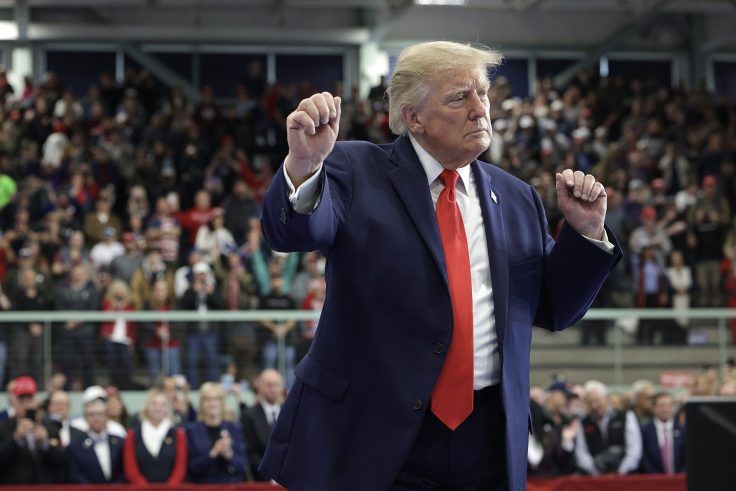


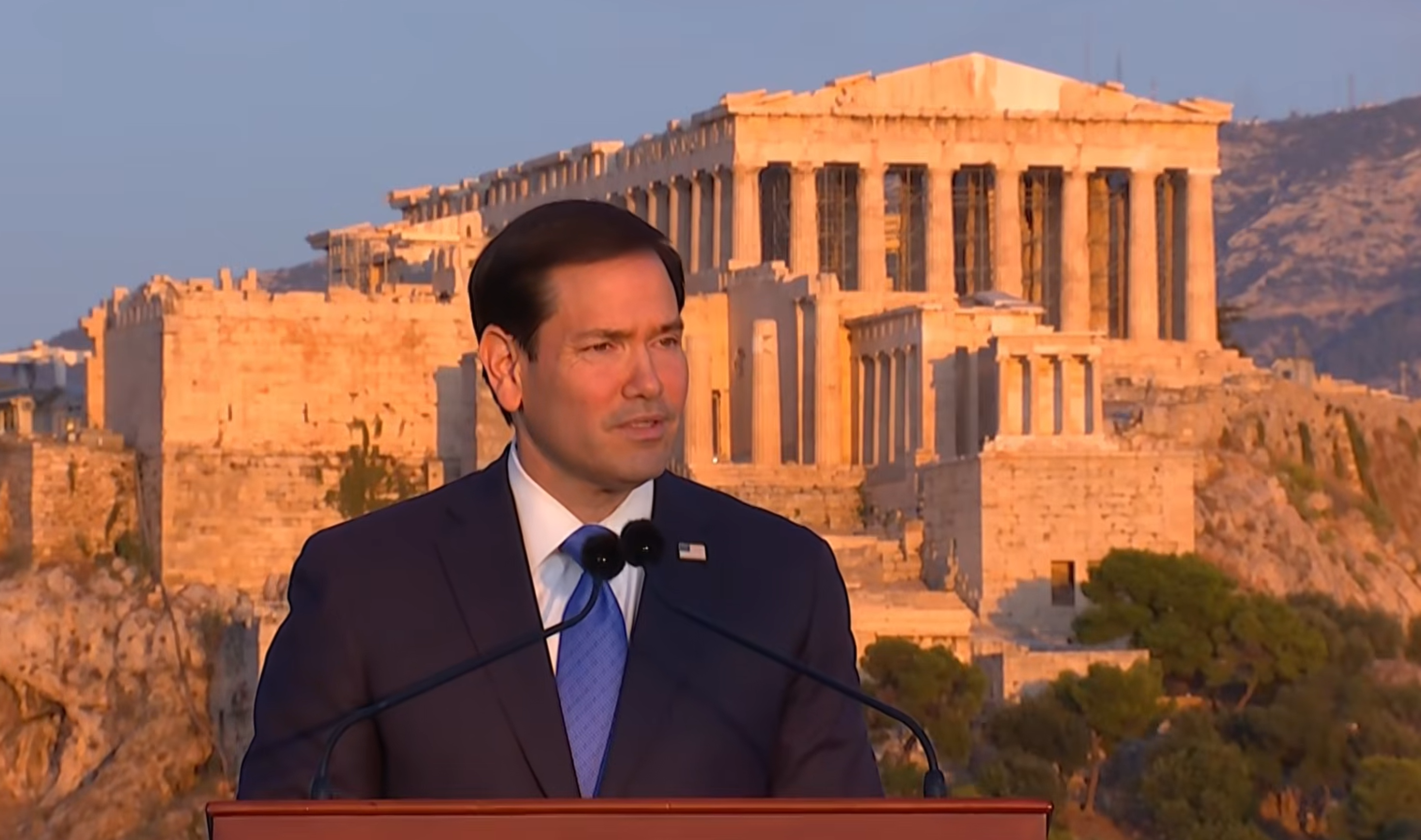
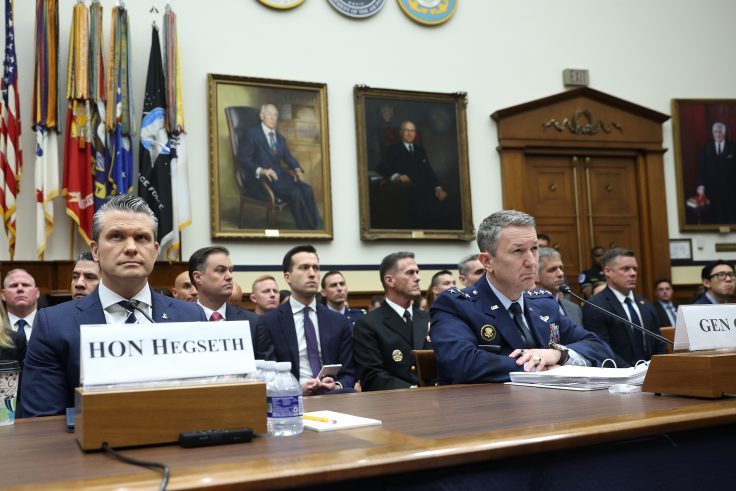
Donald Trump said Thursday that he is readying "a massive attack" on Iran, but the most consequential battle this week was on Capitol Hill. On Tuesday, the Pentagon's top civilian and military leaders, Pete Hegseth and Gen. Dan Caine, spoke to the Senate Appropriations Committee about a bill to offset the costs of the Iran conflict. The House passed a defense act including those funds the next day, but the Senate package remains in limbo.
Senators on both sides of the aisle raised questions not just about the funding itself, but also about the strategy for dealing with Iran and for some of Hegseth's unrelated but controversial decisions. Grandstanding in front of the cameras is par for the course in Washington, but even the Democrats should want to pass this bill.
For most Democrats, a no vote is a no-brainer. Even before anti-Jewish and pro-appeasement forces began to gain momentum, the party generally has viewed defense spending with skepticism for decades. Most members do not want to cast votes that could be seen as endorsements of Trump's campaign to cripple Iran's nuclear and conventional long-range missile programs. Even if they want to see the threat from Iran reduced, supporting the Obama-era nuclear deal is practically an article of faith in the party. And opposition parties usually fare best when they oppose whatever the president wants to do.
But, even so, there are strong reasons to let through the funds. The first is that blocking the supplemental will not compel U.S. forces to withdraw. Caine echoed an earlier warning from Admiral Daryl Caudle, chief of naval operations, that the services will cut elsewhere to keep up the fight. That includes reducing operations in other parts of the world, canceling training, cutting back on equipment and weapon purchases, and potentially even letting go of servicemembers who want to reenlist.
As the editors noted Wednesday, moreover, the campaign's estimated $37.5 billion cost is a reasonable price for taking the fight to a vicious and fanatical enemy. Even if the overall cost surpasses $100 billion, as some anonymous Washingtonians believe it will, defeating the "death to America" crowd would be money well spent.
A delay on the Hill might even prolong the war. The Iranian strategy is to hold out until economic and domestic political pressures force Trump into more concessions. The House, which voted on Wednesday for the Iran supplemental and on Thursday to limit Trump's war powers, is already sending mixed messages. Congress could inadvertently lead the mullahs to believe their strategy is working and encourage them to hold out longer. The surest way to peace is for the Iranians to conclude that antagonizing the United States is a losing proposition, not a pathway to further gains.
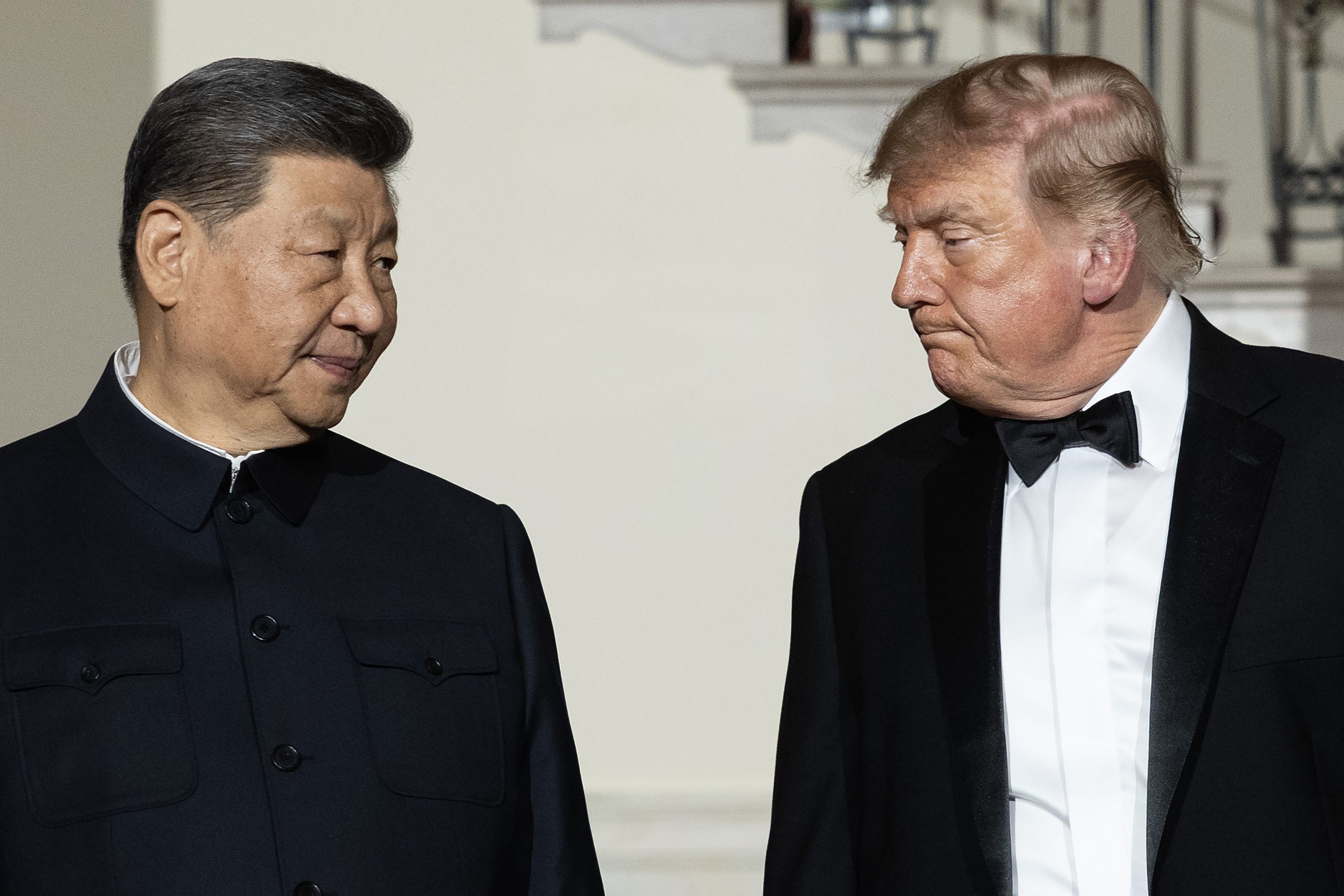
There are also important strategic considerations for strengthening the military. Hegseth confirmed that Russia and China are "at different levels, enabling some of the things Iran is doing," to attack U.S. forces and their allies—the two bigger powers are constantly finding new ways to threaten both. Iran is now targeting water desalination plants in the Gulf and, if successful, could force the Gulf Arabs to evacuate large portions of their civilian populations. This is no time to reduce the military's effectiveness.
This is a very real possibility. The effects of training and maintenance cuts do not show up for years, but the costs are still steep. For example, the boneheaded sequestration in 2013 forced the military to slash many accounts, including training and maintenance. By 2016, Marines were scavenging aircraft parts from museum pieces. Servicemembers died from preventable plane crashes and ship collisions. Then-chairman of the Joint Chiefs Gen. Joe Dunford predicted the Air Force would need more than a decade to get back into shape for a major conflict. A higher defense budget next year could address some problems caused by current shortfalls, but it cannot make up for lost time.
There are self-interested reasons for passing the bill. Many Americans have their doubts about the Iran campaign, but they cannot abide politicians who hamstring American servicemembers in combat. If the enemy inflicts severe casualties while the Pentagon is requesting more support, the politicians standing in the way risk earning a significant share of the blame. And if a Democrat wins in 2028, he or she will likely earn the privilege of commanding a force that unnecessarily faces significant problems.
As Joe Biden found out in Afghanistan, humiliations abroad can end a presidency prematurely. Many Democrats hope that they can somehow embarrass Trump's foreign policy without harming the country. They are gambling that the president's reputation for impetuosity will draw more ire than their misguided habit of shortchanging the military. This is reckless.