

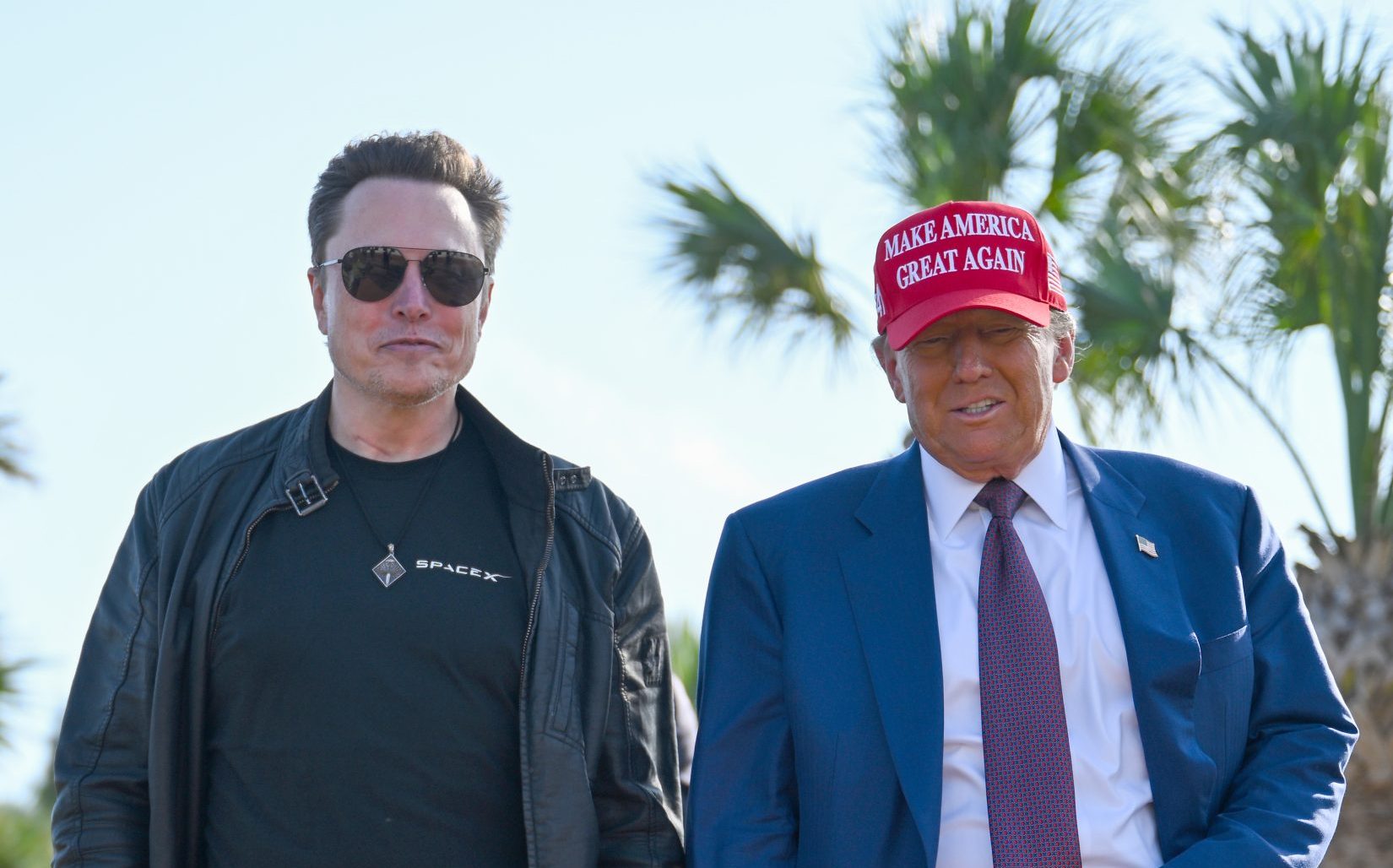

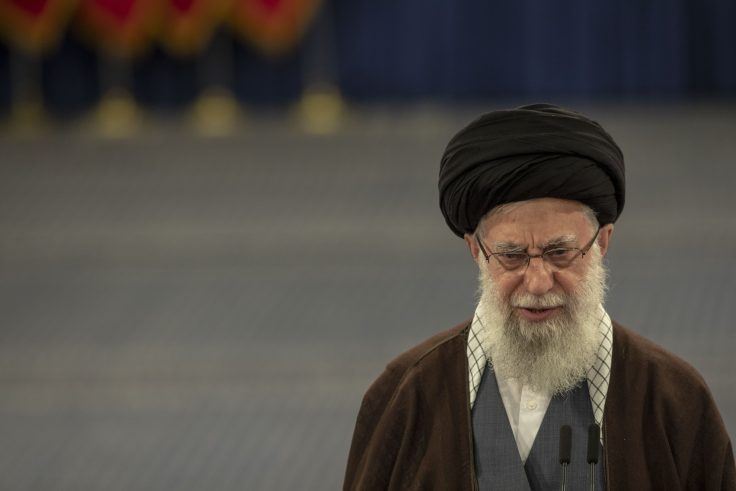
Iranian supreme leader Ali Khamenei was killed Saturday during joint U.S.-Israeli military operations across the Islamic Republic, ending his 36-year reign as the country's bloodthirsty theocratic dictator, President Donald Trump confirmed Saturday afternoon.
"Khamenei, one of the most evil people in History, is dead," Trump wrote in a Truth Social post. "This is not only Justice for the people of Iran, but for all Great Americans, and those people from many Countries throughout the World, that have been killed or mutilated by Khamenei and his gang of bloodthirsty THUGS. He was unable to avoid our Intelligence and Highly Sophisticated Tracking Systems and, working closely with Israel, there was not a thing he, or the other leaders that have been killed along with him, could do."
The president added that "[t]his is the single greatest chance for the Iranian people to take back their Country." He also noted that the campaign "will continue, uninterrupted throughout the week or, as long as necessary to achieve our objective."
Trump's statement came after Israeli planes dropped at least 30 bombs on Khamenei's Tehran-based compound early Saturday, one of the first sites struck as the Jewish state and the United States joined in a historic military operation. Khamenei was reportedly killed alongside family members, his military secretary, and other senior leaders who had been holding meetings as the attack began. Israeli media reported that the country's officials were informed Saturday afternoon that Khamenei was "eliminated" and that his body was "recovered from the ruins of his palace." Evidence of Khamenei's remains were reportedly sent to Israeli prime minister Benjamin Netanyahu and subsequently confirmed by multiple Israeli officials briefed on the matter. Reuters and Axios both reported Saturday afternoon that an Israeli official confirmed that Khamenei was killed in the strike.
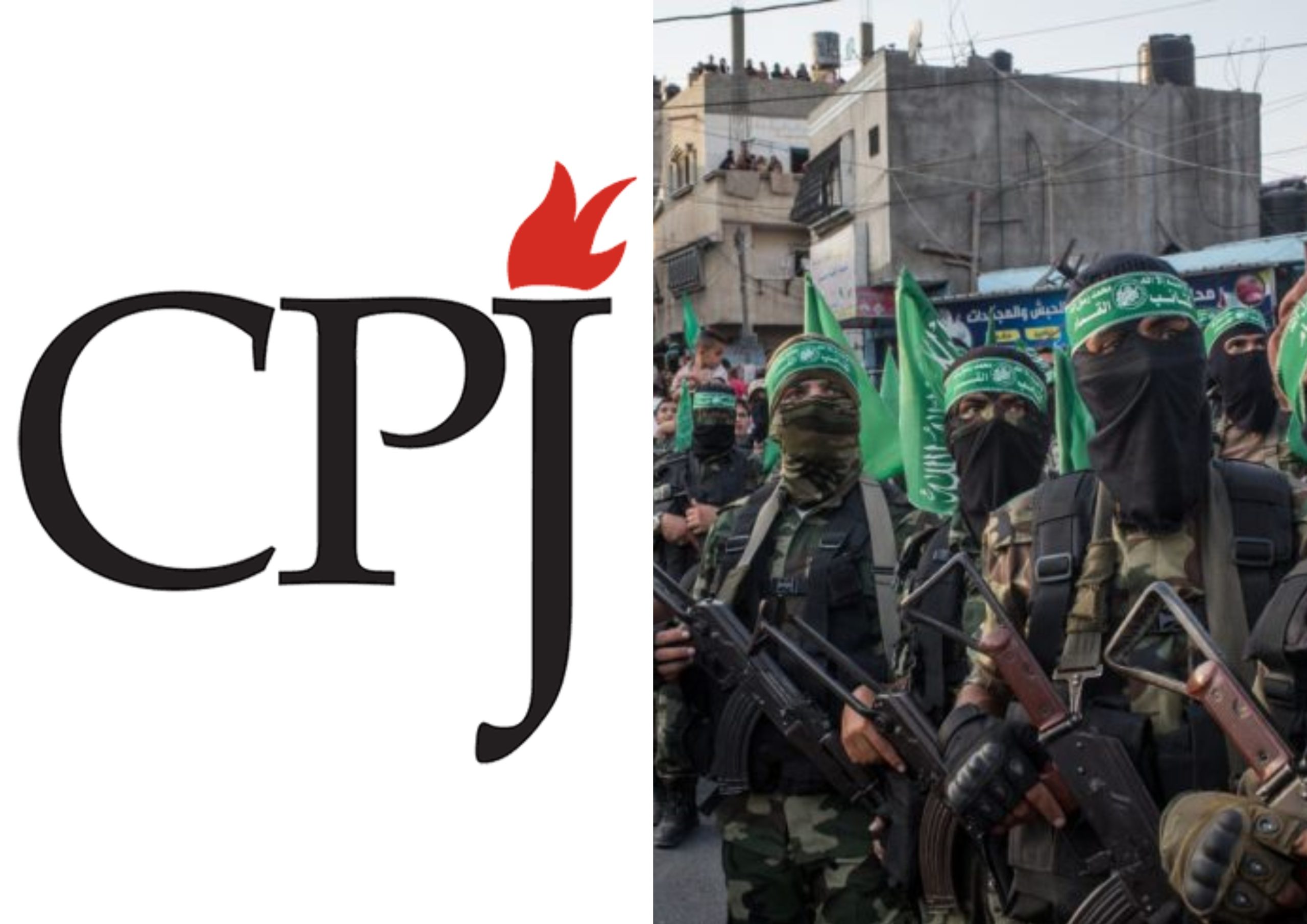
Khamenei succeeded Islamic Republic founder Ruhollah Khomeini after his death in 1989 and was the Middle East's longest-ruling head of state until Israeli forces obliterated his heavily fortified compound. Khamenei spent his tenure fomenting terrorism against the United States and its allies in the region and modernized Iran's nuclear program in pursuit of atomic weapons. Khamenei was chiefly responsible for transforming Hamas, Hezbollah, and other radical terror proxies into formidable regional players that carried out countless attacks against Americans and Israelis, among others.
But after Saturday's strike, Khamenei suffered the same fate as longtime Hezbollah leader Hassan Nasrallah and Hamas chief Yahya Al-Sinwar, both of whom were killed by Israel after the Oct. 7, 2023, terror attacks.
Khamenei was exiled from the country three times in his youth during former shah Mohammad Reza Pahlavi's rule before 1979's Islamic revolution. He survived an assassination attempt in 1981 and was appointed president after his recovery. He forged an early alliance with the country's Islamic Revolutionary Guard Corps and would later employ them to quell popular dissent inside the country and sow discord in other nations across the region.
In Iraq, for instance, Khamenei helped extremist militias plan terror attacks on American forces after the 2003 invasion of Baghdad. Pro-Iran militants across Iraq continued these attacks for decades, including just prior to this weekend's historic military operation.
For Khamenei, like his predecessor, hatred of Israel was a central and driving force.
He rallied Arab countries to destroy the Jewish state for decades but could not stop several of his neighbors from seeking a detente in recent years. The historic Abraham Accords—which brought peace between Israel, the United Arab Emirates, and Bahrain—during Trump's first term in office were a clear sign that the Jewish state's traditional foes no longer shared Khamenei's animosity, further isolating his hardline autocracy.
Hamas's October 7 terror attack, sponsored in large part by Iran, was heralded by Khamenei as a game-changing blow to Israel. But it ultimately isolated Khamenei after Nasrallah and Sinwar were killed on the battlefield.
Iran's diplomatic problems only grew after Trump took office for his second term. Nuclear negotiations last year quickly broke down when Tehran refused to give up its uranium enrichment and ballistic missiles program, leading the United States and Israel to raze Iran's nuclear sites last June.
Late in December, a historic Iranian uprising began in which thousands of protesters across the country called for Khamenei's demise. The late dictator authorized his security apparatus to use deadly force—reportedly including chemical weapons—against civilians, killing more than 25,000 of his people. While Trump initially promised military intervention, that protest movement fizzled under violence.
History, however, repeated itself this month as Trump tried again to offer Khamenei a pathway to peace. Iran rejected demands for zero enrichment, continued to reconstitute its nuclear sites, and outright rejected talks about the construction of ballistic missiles. By the time the United States and Israel launched Saturday's strike, it was clear that Khamenei could not give up the nuclear program he began incubating in the 1980s.
The military campaign across Iran showed no signs of slowing down as of Saturday afternoon. It is expected to last for several days as the United States and Israel strike military outposts across the country, hoping to eradicate Tehran's leadership, long-range missiles, and remaining nuclear facilities.
In addition to Khamenei, Israeli forces targeted Islamic Revolutionary Guard Corps commander Mohammad Pakpour, Iranian president Masoud Pezeshkian, defense minister Aziz Nasirzadeh, and intelligence chief Majid Khademi. Iranian foreign minister Abbas Araghchi, who was leading diplomatic talks, claimed early Saturday that the country's leadership remained intact. "As far as I know, yes they are alive and the head of judiciary as well, the speaker of parliament as well," he said. "All high-ranking officials are alive."