
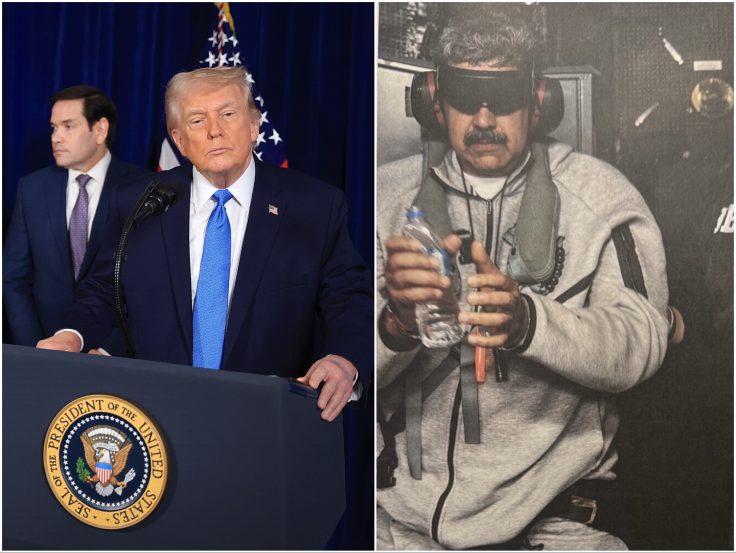
Donald Trump waited barely two days before fulfilling a major new year resolution. Early Saturday morning, U.S. warplanes filled the skies above Caracas while Delta Force commandos swooped in on the ground. Venezuelan dictator Nicolás Maduro and his wife didn’t even have time to escape their bedroom before being arrested. By nightfall, they had arrived in New York City to begin processing for narcotrafficking and other charges.
Operation Absolute Resolve, as the Caracas raid was called, is exactly the sort of mission Trump loves best. It crippled an adversary with a single blow at very little cost to the United States, much as last summer’s Iran bombing did. Trump told Fox News no American lives were lost, and even a helicopter that sustained some damage came back. With Maduro behind bars, ordinary Venezuelans have the best chance for a decent life in decades. But the operation’s ultimate success will depend in no small part on what comes next in Venezuela.
The express trip to the Southern District of New York was a condign punishment for Maduro and his wife. His former boss, Hugo Chavez, set Venezuela on the path to ruin, and for the last 14 years Maduro has galloped along that path. Nearly eight million Venezuelans fled Maduro’s socialist dictatorship while he gave drug runners and other ne’er-do-wells free rein to peddle their poison.
Not content with immiserating his own people, Maduro made trouble throughout and beyond his region. Drugs poured forth from Venezuela’s borders, and he threatened to attack neighboring Guyana and steal its oil resources. He also assembled a rogue’s gallery of friends, propping up the communist gerontocracy in Cuba while scurrying to Beijing and Moscow for help suppressing his own people. Latin America is significantly better off now than it was Friday night.
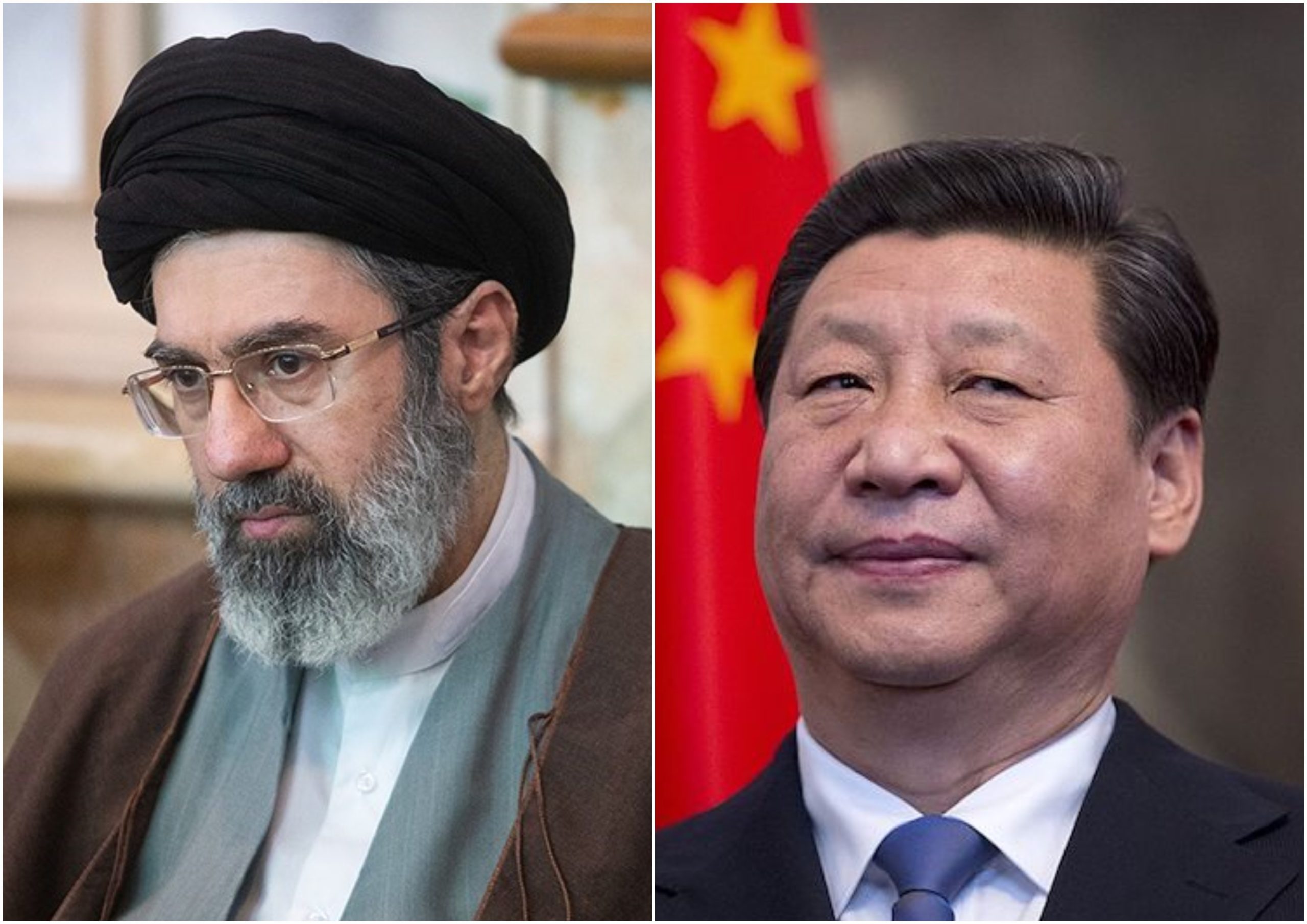
After Maduro, this weekend’s biggest loser is Xi Jinping. Just hours before his surprise appointment with Delta Force, Maduro met with one of Xi’s special envoys. Xi intended to send a message of China’s support amid the American pressure campaign. Instead, the appointment and China’s subsequent denunciation of the raid became glaring advertisements of Chinese weakness. The United States can, and does, protect its friends on China’s doorstep, but Beijing cannot do the same near Washington. There is still only one superpower with global reach, and Xi does not rule it.
Some fret about the longer-term consequences of regime change in Caracas. One line of concern is diplomatic. Some observers fear that China will use the American intervention in Venezuela to legitimate a similar attack on Taiwan.
This concern stems from a misunderstanding of the international situation. When great powers agree on the foundations of an international system, they often adopt a lawyerly attitude and will argue about precedents and other quasi-legal aspects of the system’s internal logic. But when a great power, like today’s China, seeks to overturn the international order instead of seeking an advantage within it, those precedents matter little. If Xi decides to invade Taiwan, his propagandists will doubtlessly cite U.S. interventions in Iraq, Libya, Venezuela, and countless other places. He stays his hand though because he fears American and allied military power, not because of his fidelity to an American-led international order that he seeks to replace.
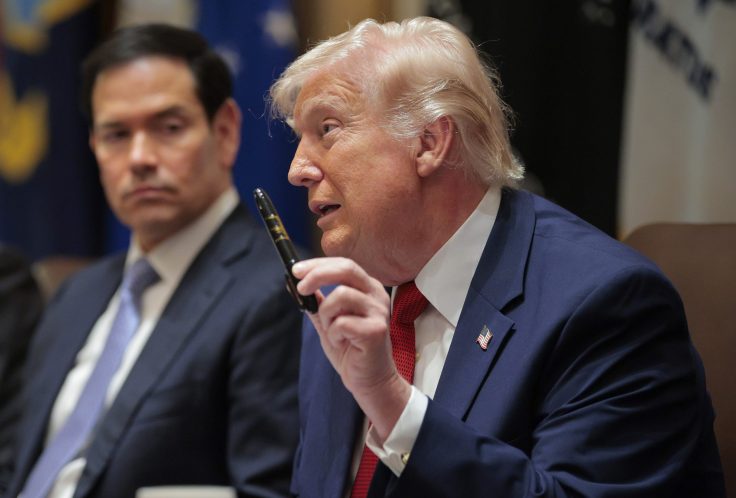
The greater concern is what happens within Venezuela rather than what comes from outside it. Trump said Saturday that "we have a group of people running" the country "until such a time it can be put back on track." Quickly establishing a governing authority in Caracas is vital: If the country descends into anarchy, the drug and refugee problems will worsen and American and regional security will be harmed. But if a competent and benign government—perhaps the one that actually won the most recent election—can regain control, Venezuelans and their neighbors will benefit.
Over a century ago, Americans awoke to the danger of other great powers interfering in Latin America. When Great Britain threatened Venezuela over a boundary dispute, Secretary of State Richard Olney wrote, "To-day the United States is practically sovereign on this continent, and its fiat is law upon the subjects to which it confines its interposition." But, he noted, any European intervention in Latin America would necessarily threaten the United States, so he warned London against sending in the Royal Navy. The Olney declaration was the first step toward the Roosevelt Corollary to which the Trump national security strategy harks back.
As the Americans discovered then, issuing a single warning did little: Washington had to continue deterring European adventurism and find a better alternative for the region. Theodore Roosevelt understood that the world was too small for the Western Hemisphere to remain isolated from great-power competition. Trump gets this too, and this weekend he made the region’s future much brighter.