

With the latest American-led negotiation about Ukraine well underway, Beijing browbeating Japan's new prime minister over her concerns about Taiwan's security, and India rolling out the red carpet for Vladimir Putin, the Beltway is consumed with… Venezuela. The Trump administration's drone strikes on alleged drug-smuggling boats have roiled Washington, and criminal accusations and constitutional challenges abound.
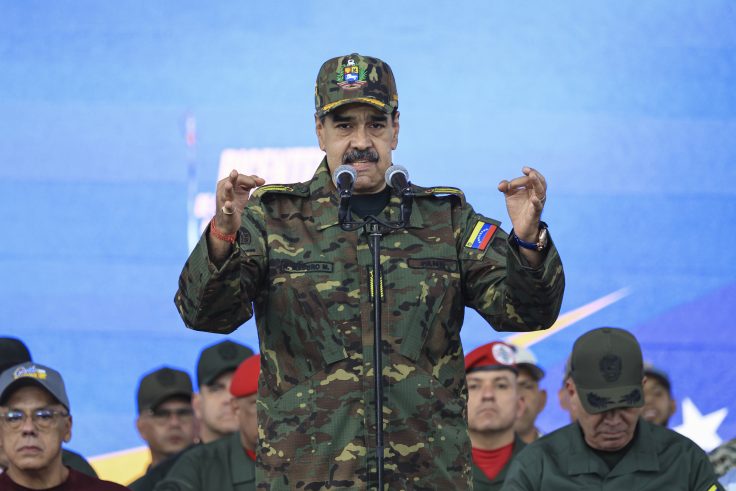
Since this administration is up to its ears with several other major initiatives, many wonder why it is ramping up its pressure campaign on Venezuela's Nicolas Maduro in spite of this pushback and the public's unease. It is because Latin America is heading in a bad direction, and taming the threat emanating from Venezuela could head off the region's slide.
Trouble in the Western Hemisphere creates serious problems for U.S. national security. The Trump administration has largely solved the illegal immigration problem along the southern border, but criminal gangs still smuggle drugs and other harmful substances into the United States. The region has mostly been free from great-power competition, but communist infiltration there sparked some of the most heated foreign policy controversies during the Cold War.
Americans have long been puzzled about how to handle their southern neighbors. Latin America is blessed with an abundance of natural resources, from the Andes' copper and lithium deposits to Argentina's and Brazil's agricultural bounty and Venezuela's oil reserves, which are larger than even Saudi Arabia's. But it suffers from a range of maladies, from rampant corruption to misbegotten ideologies like Peronism and even communism, that prevent its people from making the best use of their talents and those resources. As a result, the region's economies are stuck in the "middle income trap" and unable to break through to the higher tiers.
The larger forces upending politics around the globe are also unsettling Latin America. Economies that depend heavily on exporting commodities are vulnerable to changes in global trade, and the turn toward protectionism across much of the developed world is bad news for South American ranchers and miners. The region is also mostly rejecting the centrist, incremental reformers preferred by most of Latin America's creditors and returning to the older contests between the left and right extremes. Future elections will likely resemble the existential fight between Brazil's Jair Bolsonaro and Lula da Silva.
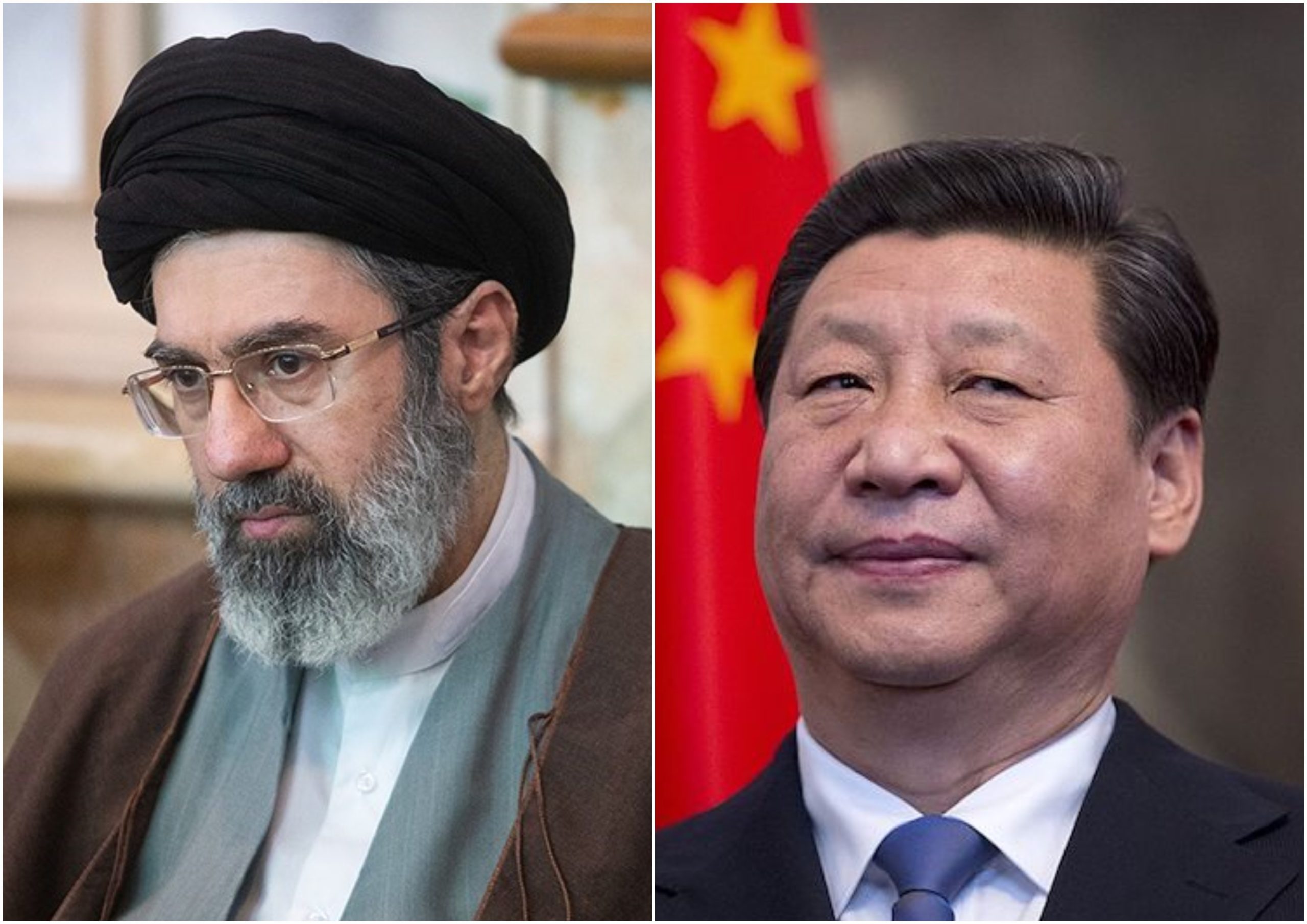
America's adversaries are also on the prowl. China is now South America's biggest trading partner, although our trade dominance in Central America has helped this country remain the overall leader in Latin America. Chinese financiers are enriching drug runners, who have expanded beyond the Caribbean basin to overrun previously calm countries like Ecuador. Russia, China, and Iran have backed Maduro's anti-American activities. The dictator of Venezuela is propping up Communist Cuba and, not content with driving nearly eight million of his own people to flee his socialist disaster, threatens to attack neighboring Guyana and seize its oil.
President Trump pushed back against these adversaries during his first term, but the results were unsatisfying. The attempt to pry out Chinese telecom companies like Huawei made some headway. But Maduro stole the 2018 presidential election and rode out the subsequent international diplomatic pressure and U.S. sanctions. Biden lifted some of the sanctions on Maduro, who stole the 2024 election, too.
This time, Trump is exerting even more pressure on Maduro and other drug traffickers. The U.S. military has bombed about two dozen drug boats in the Caribbean and the eastern Pacific, and Trump warned Tuesday, "We're going to start doing those strikes on land, too." The USS Gerald R. Ford aircraft carrier recently moved from the Mediterranean to the Caribbean, and F-35s are stationed in Puerto Rico. That's a lot of firepower to deal with a bunch of small boats.
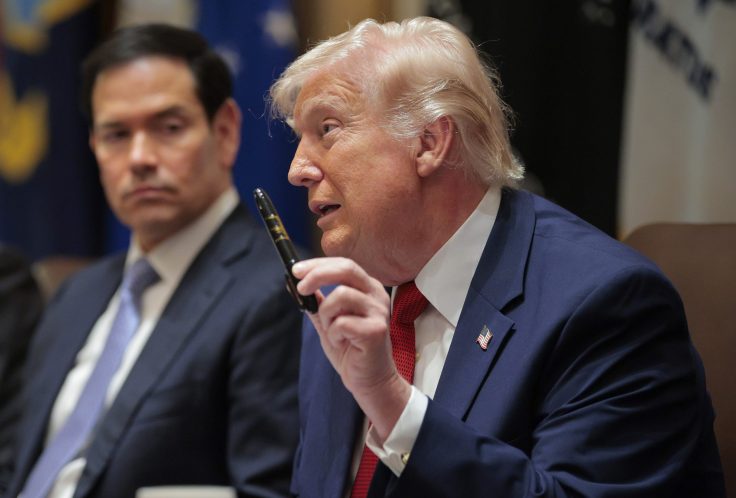
Trump is still open to a deal with Maduro, but he will need some convincing. "The problem is Maduro has made 5 deals with different parties over the last 10 years and has broken every single one of them," Secretary of State Marco Rubio said this week. "Now, that doesn't mean you shouldn't try" to get a deal, but "they're not going to sucker Donald Trump."
Taming Venezuela would go a long way toward stabilizing the region. Allowing the eight million Venezuelan refugees to return home would ease the burden on many of its neighbors. Taking out one of the more powerful narcotraffickers should dissuade the others from further depredations. And demonstrating China's, Iran's, and Russia's inability to protect their friends would set back their diplomatic campaigns against the United States.
Maduro may try to brazen this out again, but he should think twice. Trump wants to burnish his legacy with foreign policy wins; he means business, and the base applauds firm actions to protect the southern border and curb the drug crisis. If Maduro needs further convincing, he should ask his Iranian friends.