

Israel is no stranger to diplomatic isolation, but the widespread condemnation it has received after Hamas's October 7 atrocities has been unusually strong and meritless. Last week, the dozens of delegates walking out on Prime Minister Benjamin Netanyahu's speech at the United Nations seemed to dramatize Israel's diplomatic plight. Bibi defied the well-heeled "moral cowards" of Turtle Bay and defended his policies against Iran and its terrorist minions. But even as many of Israel's friends applauded him at the rostrum, their eyes darted nervously to the swelling exodus in the aisles.
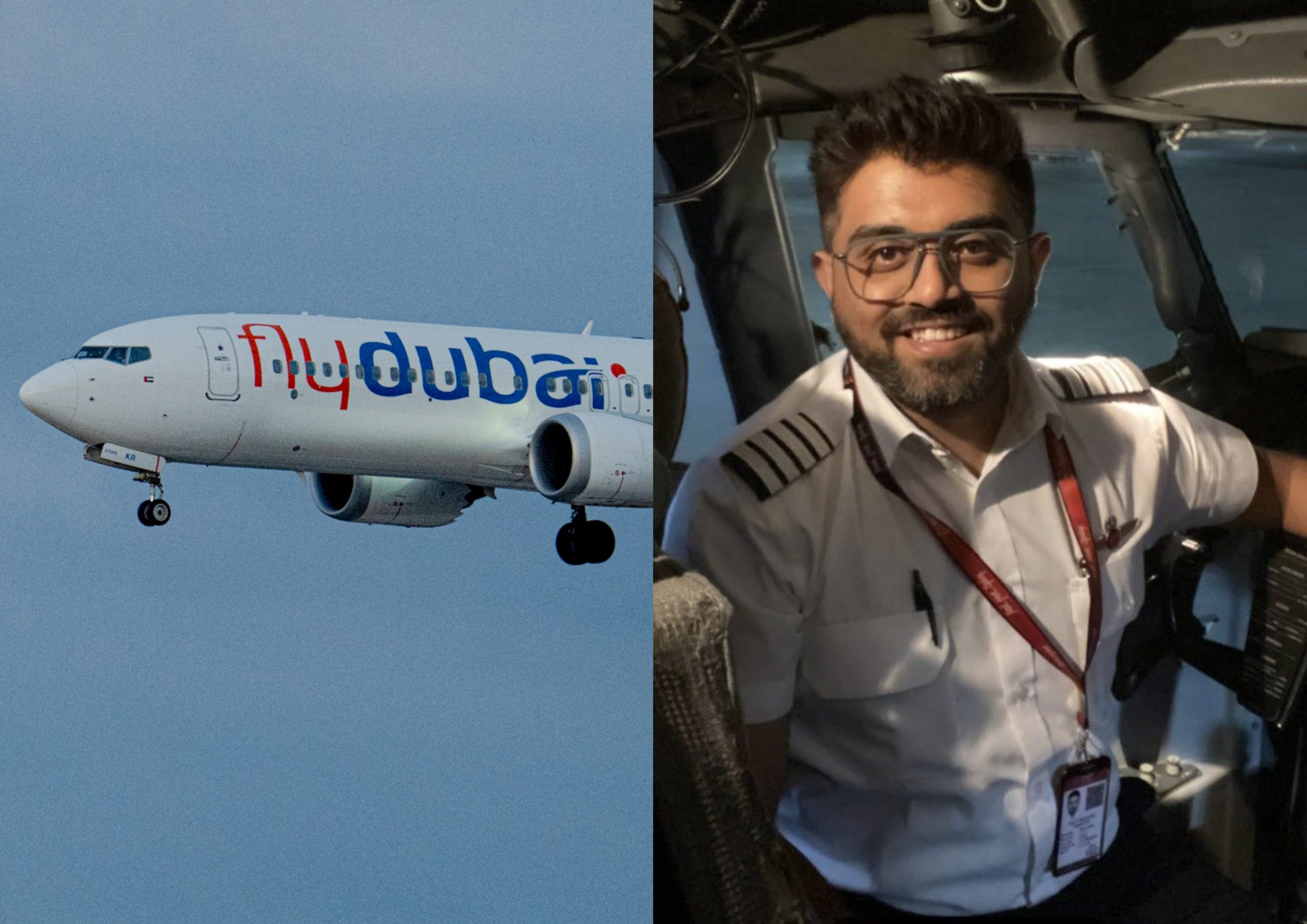
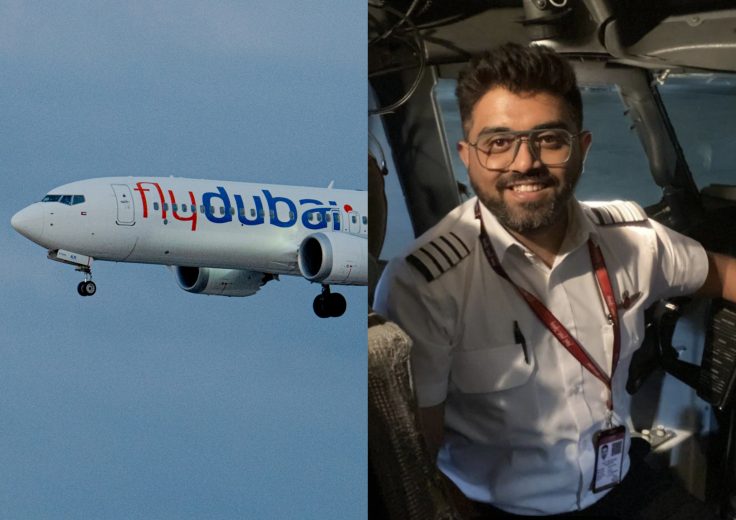
A different set of images portrayed a more important reality this week. When an Omani terrorist attempted to hijack an airplane bound for Israel from Dubai, an improvised multinational coalition sprang into action. This was largely the work of brave individuals, but it illustrates the larger forces affecting Israel's foreign policy. The Jewish state faces many enemies, but a growing number of countries are attracted to it because of Israel's battlefield prowess, technological skill, and shared values.
The terrorist aimed to kill Jews, but his first target was an Indian. The pilot, Captain Smit Machchhar, fought off his treacherous copilot long enough to open the cockpit door. Israeli passengers then rushed their would-be murderer, subdued him, pulled the Boeing 737 out of its fatal dive, and stabilized the stricken aviator. The plane landed safely in Saudi Arabia, where medics tended to the injured civilians until another plane brought them to Tel Aviv.
Much like Captain Machchhar and his passengers, Israel and India are becoming a dynamic duo. Although India still expresses plenty of sympathy for the residents of the West Bank and Gaza, the Jewish state's value is too obvious to miss for a country with hostile neighbors and severe terrorist threats. India is Israel's top destination for defense exports, and it has reciprocated with nearly 3,000 shipments of defense equipment and components since October 7. During Prime Minister Narendra Modi's visit in February, he and Netanyahu announced a bevy of agreements on technological cooperation and that a free trade agreement is in the works. Together, they form one half of the I2U2, a quadrilateral that includes the United States and the United Arab Emirates.
Of course, the flight only occurred because of Israel's relationship with the UAE, which has deepened because of the immense damage Iran is inflicting across the Middle East. In fact, as the pinstriped diplomats stormed down the aisle at the U.N., the Emirati delegation remained.
Less symbolically but perhaps more importantly, the military leaders of several Arab countries reportedly met with U.S. and Israeli generals in Germany a few days before the walkout. No countries have formally joined the Abraham Accords this year, but the Saudis and even the Qataris attended this meeting. Iran's belligerence across the wider Middle East is forcing previously implacable foes to coordinate militarily with the Jewish state.
Like-minded friends in the Global South are rallying to Israel too. Argentina's Javier Milei excoriated "the alleged defenders of human rights" at the U.N. who "have systematically voted against Israel while remaining silent in the face of Islamic terrorism and the genocide of Christians in Africa."
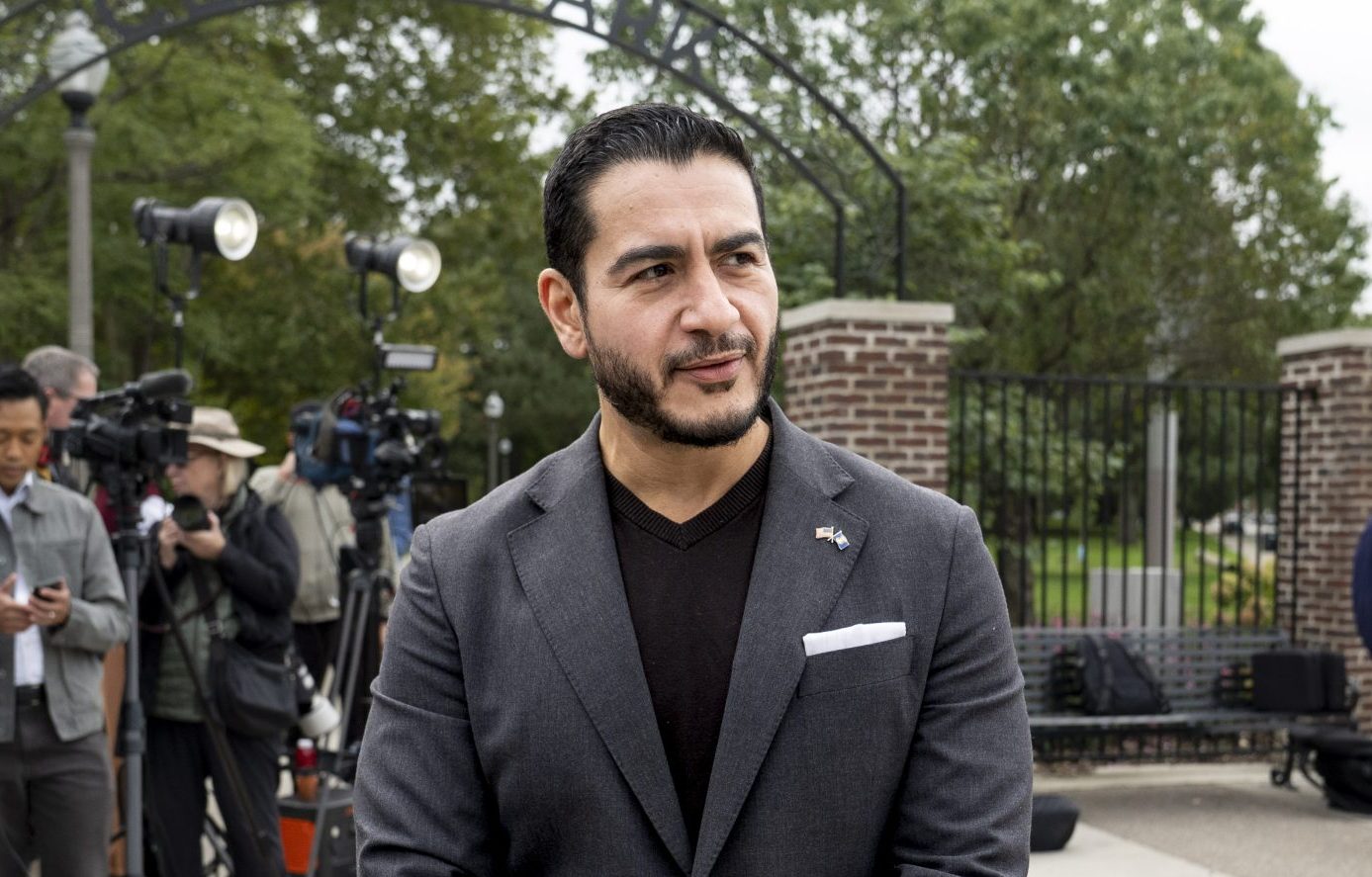
Colombia's new president, Abelardo de la Espriella, who is eager to subdue the narcoterrorists plaguing his country, is dispatching his foreign minister, presumably with a lengthy shopping list, to move the embassy to Jerusalem. Somaliland, the breakaway province of Somalia that Israel recognizes as independent, has also opened an embassy in Jerusalem. The rise of Evangelical Christianity is creating sympathy for Jews and for Israel in other parts of Latin America and Africa too.
Europe is increasingly plagued by woolly-mindedness, but there is good news even there. Great Britain's new left-wing government just sanctioned Israel, which could damage the security partnership and actually reduce London's influence among the Arabs, who value MI6 as a conduit for Israeli intelligence. The Netherlands just implemented a ban on goods originating from Israeli settlements—including from minority groups like the Druze—but countries with more realism are acting more wisely. Germany, which has already bought other Israeli missiles, just inked a new production deal with Israeli defense company Rafael.
There are two more powerful forces revealed in the airplane story. Former Top Gun pilot Matthew Buckley told Fox News that the dive "exceeded the max operating speed of this aircraft by at least 100 knots," which "ripped the rudder off this tail." In addition to heroes onboard, the passengers owe their lives to the anonymous workers in Renton, Washington, who made one heck of a plane.
And those who spot the protecting hand of Almighty in the story of the Jewish people just saw the writing of a new chapter.