




The highest-ranking news editor at the New York Times, executive editor Joe Kahn, is publicly distancing himself and the paper’s 2,200-person newsroom from a May 11 Times opinion column that accused Israel of using dogs and carrots to rape Palestinian prisoners.
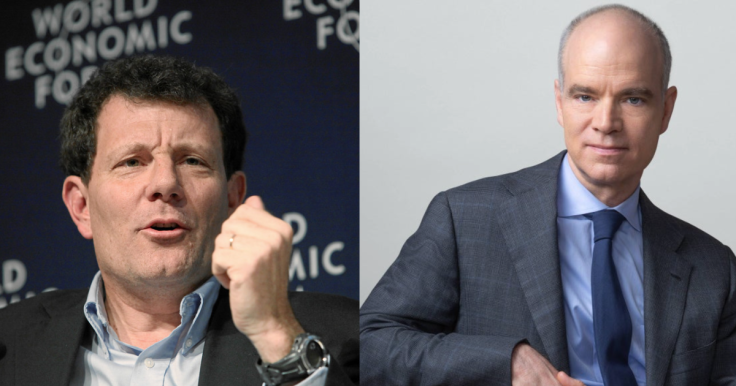
The article, by New York Times columnist Nicholas Kristof, whose father served on the Nazi side during World War II, was denounced by the Israeli foreign ministry as "Hamas propaganda," "fabricated," and a "baseless blood libel." It also generated a legal threat from Prime Minister Benjamin Netanyahu and a formal condemnation from the Conference of Presidents of Major American Jewish Organizations. The piece relied largely on anonymous or Hamas-affiliated sources.
"It wasn’t edited by the newsroom," Kahn said in a podcast interview with the media and technology journalist Peter Kafka released Wednesday, July 8. Asked whether he would have published the article in the news pages, Kahn first replied, "we probably wouldn’t have." Then he provided a more definitive answer: "No, we wouldn’t have done that exact piece."
Kahn’s statement seems to put him publicly at odds with—and certainly struck a different tone from—Times opinion editor Kathleen Kingsbury, who, in a May question-and-answer-format column, defended the article. Asked, "Given the volume of the critical response, do you stand by this column?" she answered, "Yes. … Before publication, Nick’s reporting underwent a rigorous vetting process by Opinion’s fact-checking department to ensure that every testimony and anecdote he personally reported was supported by independent sources, as is the case with all sensitive pieces. The Times’s standards and legal teams also reviewed the column and offered feedback. After publication, we reviewed the factual challenges that readers and others raised, as is standard practice with any published piece. Editors found no errors."
Kingsbury did also make the point that "The Times’s news staff in the Middle East played no role in Nick’s column."
From a public relations standpoint, the comments by Kahn are a mixed bag. They resurface a faded flap over a column that was published in May. If the fury of any pro-Israel readers is assuaged by the comments, it also risks igniting new ire from the paper’s anti-Israel readers. Kahn had some sort of convoluted explanation of why the article worked as a Kristof column but wouldn’t have worked in the news section, having to do with the niche Kristof has carved out writing about "human rights" issues. "Nick has a particular focus on human rights and war," he said. Yet to a typical reader, it looks like the Times is trying to have it both ways, distancing itself from the column while also defending it in a cynical straddle reminiscent of John Kerry’s infamous 2004 claim that, as a Democratic senator from Massachusetts he "actually did vote for the $87 billion before I voted against it."
Kahn has a habit of making news in interviews with competing publications. In 2024, in an interview with the New Yorker, he claimed credit for the Times for having prompted the Biden administration to stop sending 2,000-pound bombs to Israel, which was then at war in Gaza against the Hamas terrorist organization holding Israeli and American hostages.
In another 2024 interview with Semafor’s Ben Smith, he said, "I’m not an active Jew." At the time I suggested, maybe the New York Times can sell sweatshirts: "Inactive Jew." Who, exactly, is supposed to find that distinction between "active" and "inactive" Jews reassuring? Maybe they can put it on top of the front page in place of "All the News That’s Fit to Print": "Edited by someone who wants the public to know he’s not an active Jew."