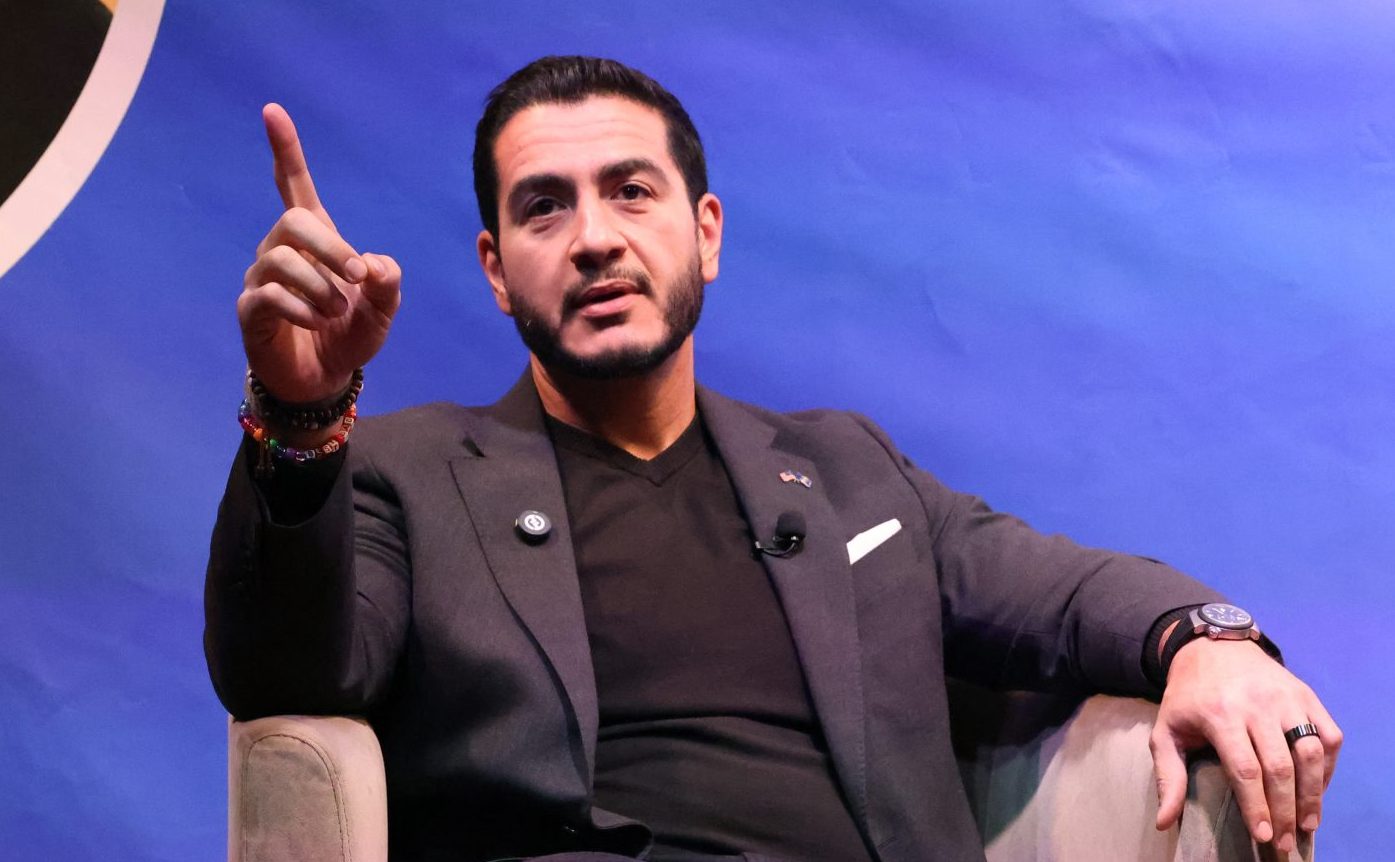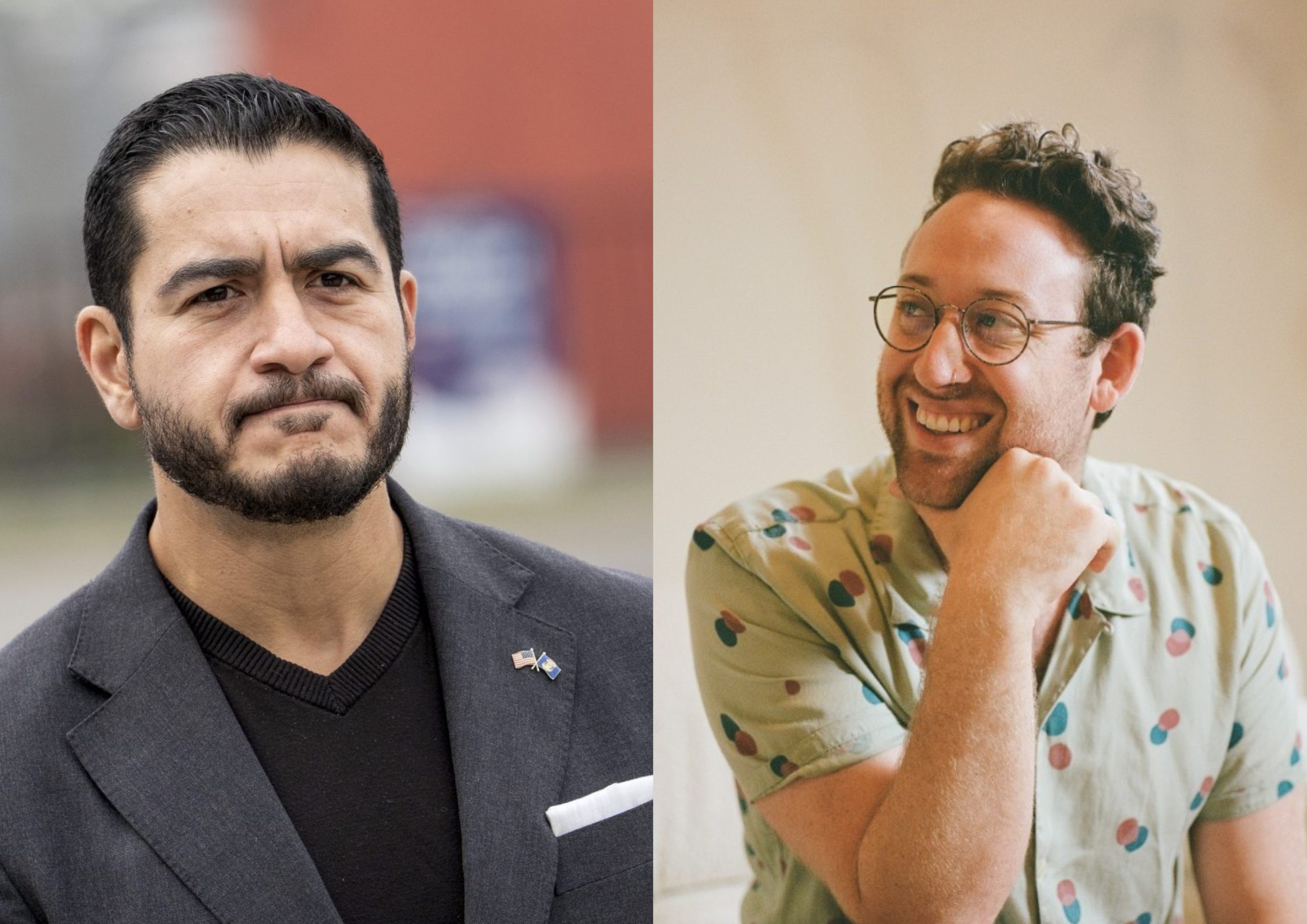



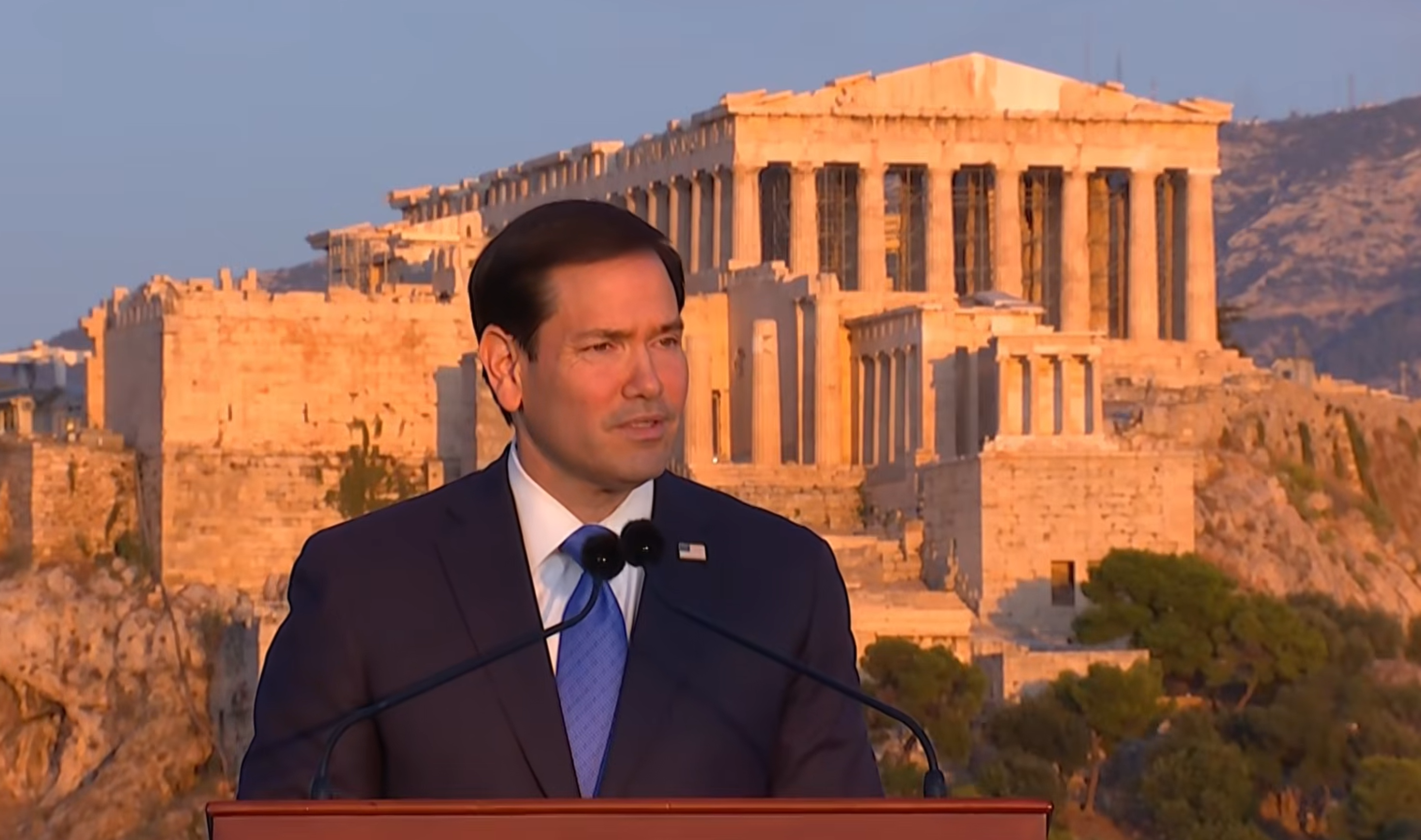

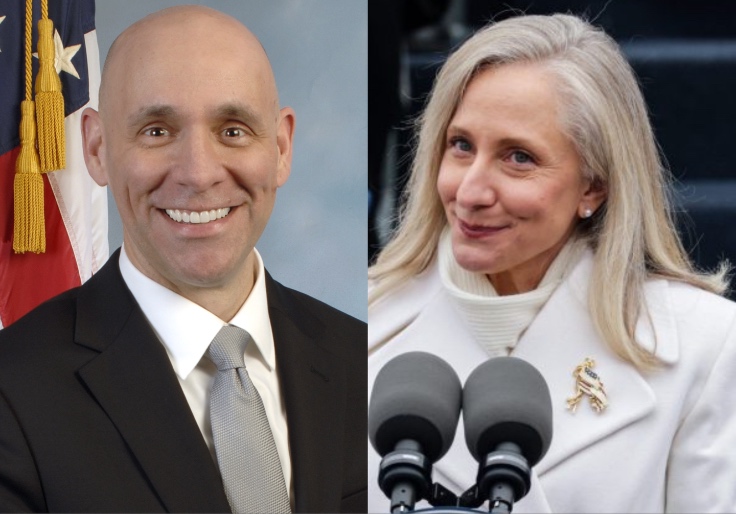
A cabinet official "moderate" Virginia governor Abigail Spanberger (D.) tapped to co-lead a prison reform council headed the FBI field office in Richmond that issued an infamous, since-retracted Biden-era memo identifying traditionalist Catholics as potential domestic terrorists. DOJ leaders subsequently said they were "aghast" at the memo, which they described as "appalling."
Stanley Meador, Spanberger's secretary of public safety and homeland security, will co-chair the newly formed Community Partnership Council on Corrections alongside Department of Corrections director Joseph Walters, Spanberger announced on June 23. The panel is dedicated to advancing "safety reforms by hearing directly from [corrections] staff, incarcerated individuals, and communities across Virginia" on topics like "reentry and reintegration," "public accountability," and "conditions of confinement."
Spanberger said the council "will create a permanent, structured forum for dialogue and action on the issues that matter most" and will "ensure that these reforms we've undertaken take root, and build a foundation for Virginia long after I am no longer in this office." She said "many things" are "systemically wrong" with the state's corrections system.
Leading that dialogue is Meador, who was the special agent in charge of the FBI's Richmond field office when it issued an internal memo titled "Interest of Racially or Ethnically Motivated Violent Extremists in Radical-Traditionalist Catholic Ideology Almost Certainly Presents New Mitigation Opportunities" in January 2023. The document called for surveillance of Catholic churches in Virginia and based its concerns that traditionalist congregants could be domestic terrorists on findings from the Southern Poverty Law Center, which has a long history of labeling conservative groups as extremist and is now facing wire fraud charges.
The memo leaked a few weeks later, and the FBI retracted it shortly thereafter.
Bishop Barry Knestout of the Diocese of Richmond called the memo a "threat to religious liberty" and urged lawmakers to "ensure that such offenses against the constitutionally protected free exercise of religion do not occur again," the Catholic outlet EWTN News reported. Meador met with the diocese's leaders and apologized for the "negative attention"—but not for the contents of the memo, according to a congressional report.
During a Senate Judiciary Committee hearing weeks after the FBI's February 2023 retraction, then-attorney general Merrick Garland called the memo "appalling."
"It's appalling. It's appalling. I'm in complete agreement with you," he told Sen. Josh Hawley (R., Mo.), who grilled Garland on the anti-Catholic bias within his department.
"I understand that the FBI has withdrawn it and it's now looking into how this could ever have happened," Garland said, adding that "this is an inappropriate memorandum, and it doesn't reflect the methods that the FBI is supposed to be using."
In a July 2023 hearing before the House Judiciary Committee, then-FBI director Christopher Wray stated he was "aghast" at the document. "As soon as I found out about it, I was aghast and ordered it withdrawn and removed from FBI systems," he told committee chairman Jim Jordan (R., Ohio).
Jordan had earlier pressed Wray on the difference between a "traditional" Catholic and a "radical traditional" Catholic. "I’m not an expert on the Catholic orders," Wray said in response.
An official who helped write the memo apologized in an internal email, but Meador shrugged off his concerns.
"No apology needed," he wrote in July 2023. "I'm glad you are on the team and thankful for your commitment. Keep that head up, this too shall pass. Will make for a great chapter in your memoirs some day!"
The Justice Department's inspector general in April 2024 found the memo didn't meet "analytic tradecraft standards and evinced errors in professional judgment, including that it lacked sufficient evidence or articulable support." The FBI repeatedly said the document didn't meet its "exacting standards."
Meador was eventually put on leave and was ousted in June 2025.
Spanberger's decision to appoint Meador is the latest example of the governor selecting controversial figures for positions in her administration after billing herself as a moderate on the campaign trail. Her final addition to her cabinet, for instance, was a former Obama adviser who advocated for the masking of two-year-old children during the COVID-19 pandemic and pushed for mandatory vaccinations. She has also picked a trans activist and an advocate with a Soros-funded criminal justice group to sit on state boards.
Spanberger received little national attention when she appointed Meador as the public safety and homeland security secretary in December. Roughly 10 major agencies are under his purview, overseeing everything from state police to prisons to disaster responses.
CatholicVote national political director Logan Church said Spanberger's decision to appoint Meador served as "an endorsement" of the memo. "It tells every Catholic in America that violating our civil liberties isn't a problem, it's a pathway to advancement," she said.
It's unclear who else will serve on the council alongside Meador and Walters. Spanberger said last month that "in the coming days, we will begin inviting a diverse group of stakeholders to participate in this council," but she hasn't named anyone else as of Wednesday afternoon.
Virginia's prisons in recent years have faced a spate of violence and complaints of poor conditions for inmates. In May 2025, three corrections officers were stabbed and two more were otherwise injured by MS-13 gang members who entered the United States illegally and were serving time for violent crimes, including murder. A year prior, at least six inmates in the Red Onion State Prison burned themselves, allegedly in protest over living conditions, though the Department of Corrections said there was "no evidence" of that and told state lawmakers that the prisoners said they were angling to change prisons.
In a report accompanying Spanberger's June 23 announcement, the governor also touted that her administration "immediately actioned" about 85 percent of concerns advocacy groups shared during meetings with Meador and Walters. The only examples it provides are "simple actions like extending visitation hours and ensuring consistent application across all facilities."
Spanberger in the June 23 announcement pointed to "significant improvements" to corrections facilities, such as a 56 percent decrease in "serious" inmate-on-staff assaults and a 47 percent drop in confirmed overdoses. Other data points, such as fewer inmates in solitary confinement and use-of-force incidents, show how staff handle prisoners rather than actual reductions in violence or verified mistreatment.
The governor also pointed to a new code of ethics for the department as part of her effort "to improve the safety of corrections officers, staff, and incarcerated individuals." The one-page document includes directives like "Do the Right Thing" and promotes a "People First" culture.