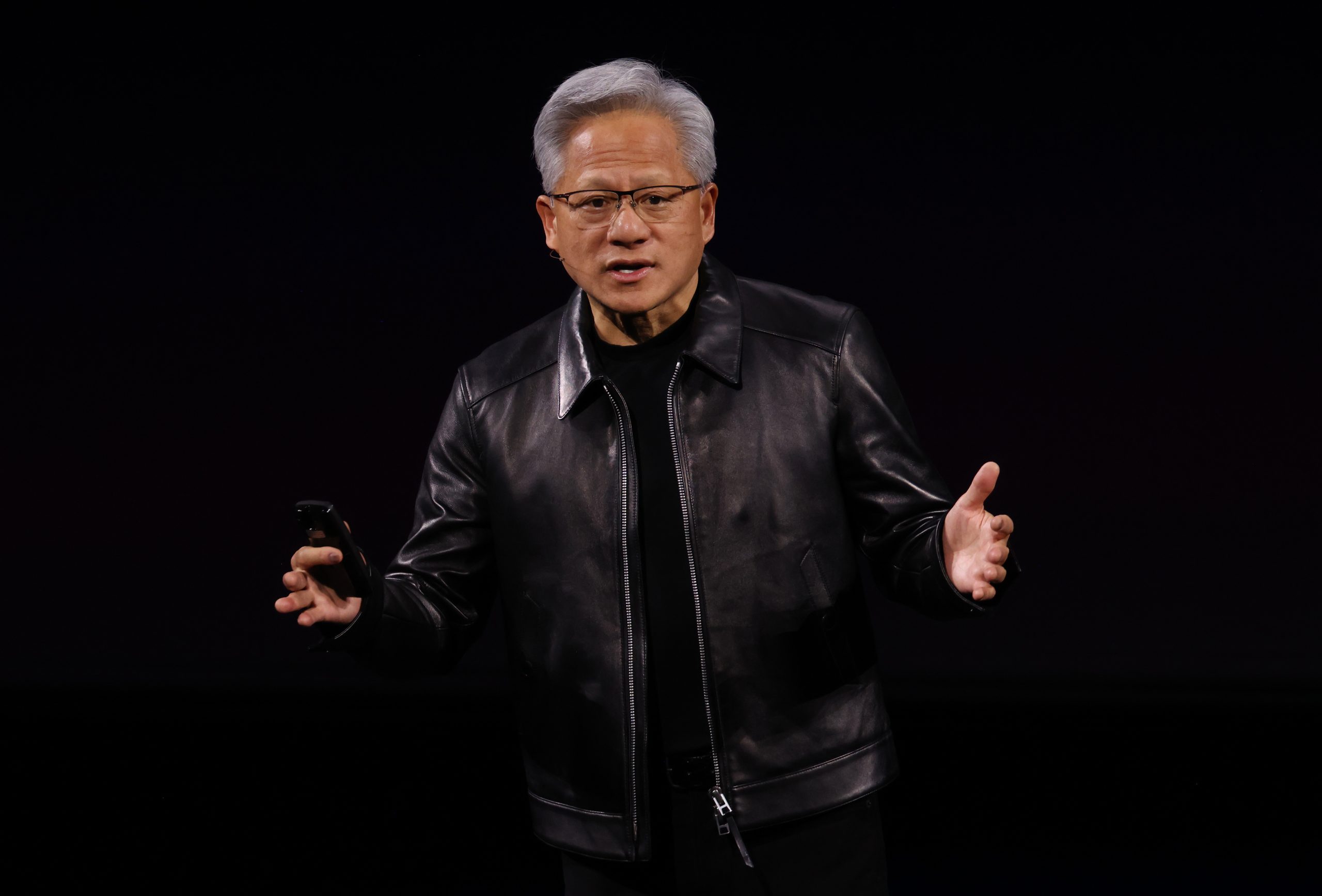

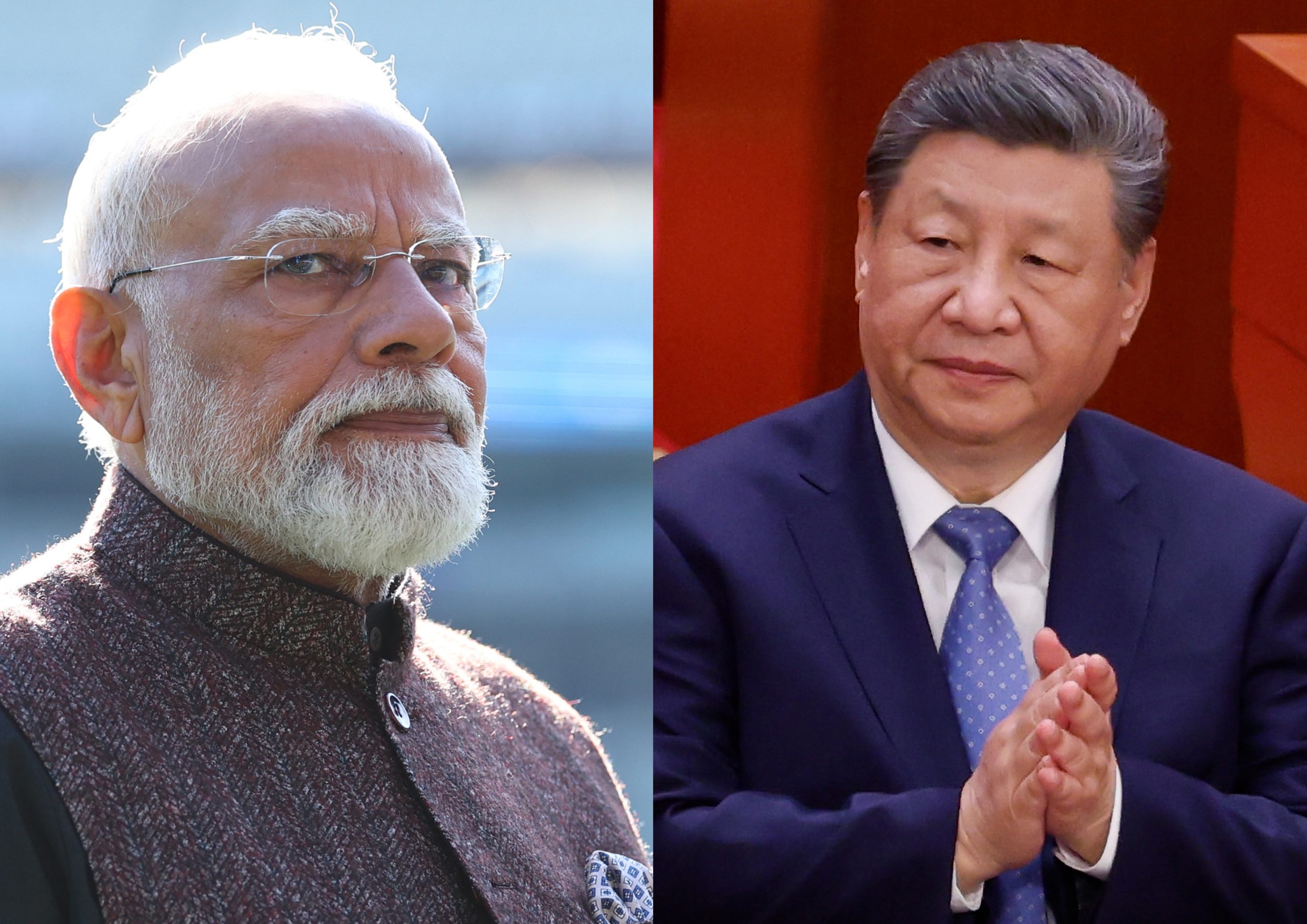
Jensen Huang's stunning resignation from Nvidia is filling headlines and roiling Wall Street this week. From one angle, the storm circling around Huang is the result of yet another uberwealthy tech titan straying from his marriage. It is also a warning that America's enemies are determined to infiltrate all levels of our society to subvert it. This country needs more defenses against foreign espionage.
Most Americans think of espionage as the theft of government secrets: The announcement this week that an American soldier was arrested at the headquarters of NATO's Allied Rapid Reaction Corps in England for spying for the Russians is troubling, but unsurprising.
That is not why the government investigated Alice Huang. The U.S. intelligence community concluded the Chinese businesswoman, who was one of Jensen Huang's several mistresses, ultimately works for China's spy agency, the Ministry of State Security. Her mission was not necessarily to acquire closely guarded information about how Nvidia designs its cutting-edge chips, but to get the chips themselves. Her company, Megaspeed, bought $4 billion of Nvidia's chips. Megaspeed's major client was the Chinese tech giant Alibaba, but since a Commerce Department investigator spotted some of those chips still in their boxes during a visit to Megaspeed in 2024, it is not clear where they are now. Many fear that Ms. Huang skirted or outright violated American export controls to feed Chinese artificial intelligence companies.
Despite these murky practices, the Commerce Department has been slow to act. Reportedly, Commerce Secretary Howard Lutnick, who is responsible for the export controls that aim to prevent adversaries from accessing cutting-edge U.S. technologies, recently came under fire in the Situation Room for his dilatory treatment of Megaspeed's infractions.
Mr. Huang is not a federal employee, but he plays an important role in American life. He grew his company into one of the world's largest by designing many of the chips on which AI companies rely. He is also one of the most prominent commentators on artificial intelligence and its implications for society, and he advises President Trump on a range of technological issues. Because his voice is so important, getting his ear is too.
Mr. Huang had become increasingly critical of export controls on China, and his infidelity raises troubling questions about his motivations for doing so. Ms. Huang probably did not turn the tech mogul into a dove, but rather encouraged him to go beyond where he might have otherwise gone. The result, allegedly, is that China is much further along on its quest to overtake America's technological advantage in AI.
This is not just another billionaire family drama. Those charges, if substantiated, reveal just one of the many plays the Chinese Communist Party is running to weaken American and allied societies from within.
The CCP has an entire department dedicated to doing just that. The United Front Work Department was founded during World War II, but it has a longer pedigree. During the 1920s, communists infiltrated the Chinese nationalist military academy and won the loyalty of many Chinese military leaders. Some of these recruits stayed dormant for decades until they became generals and then switched allegiance during China's civil war.
Sometimes the goal is to acquire trade secrets, but often it is to influence other countries' policies. That can involve anything from propaganda work to setting up fake companies or seducing elites. And they aren't always after the Washington elite. A former New York state official was indicted for shaping New York policies to China's benefit. Earlier this year, the mayor of Arcadia, California, was arrested on similar charges. One security consultant estimated there are roughly 1,000 spies around Silicon Valley.
China is not the only U.S. adversary that uses these tactics. Back in 2010, the government identified 10 Russian spies hanging out in New York. During the first Trump administration, Maria Butina was convicted of trying to influence American political organizations.
Espionage is one of the oldest professions—Moses is one of the earliest recorded spymasters—and any society as open as the United States is unusually vulnerable to this kind of skullduggery. As long as Americans trade with countries that flout the rule of law, moreover, our businessmen will rub shoulders with quasi-legitimate fixers, many of whom have ties to security services.
Robust defenses are even more important in dangerous moments like this one. Some House Democrats, however, want to close or hobble the select committee on China once they assume the majority. This would be terribly shortsighted. Long before Alice Huang made headlines, the select committee proposed legislation that would short-circuit China's chip smuggling. Since the CCP is conducting nefarious activities on American soil as well as abroad, no other committee has sufficient jurisdiction to combat it.
The Huang affair was an important success for the CCP. Preventing similar catastrophes is vital for America's wellbeing.