
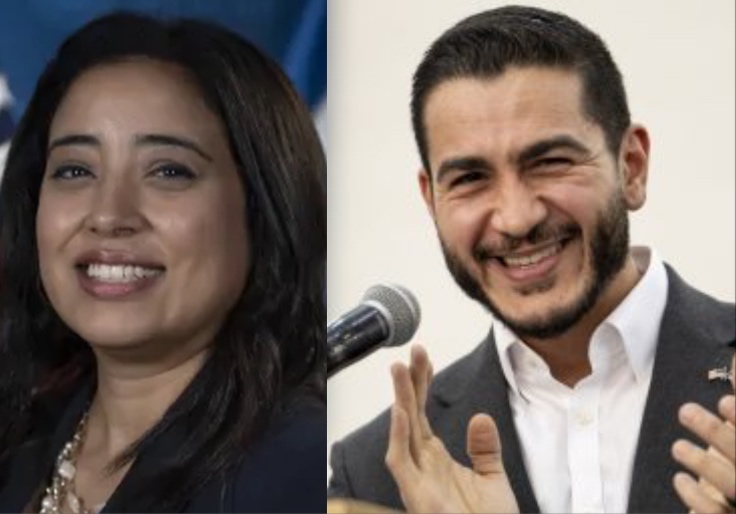
Michigan senator-elect Abdul El-Sayed, who ran as a crusader against Big Pharma during his campaign and falsely accused his Republican opponent of being a lobbyist for the industry, has tapped a former Big Pharma lobbyist to run his Senate transition team, the Washington Free Beacon found.
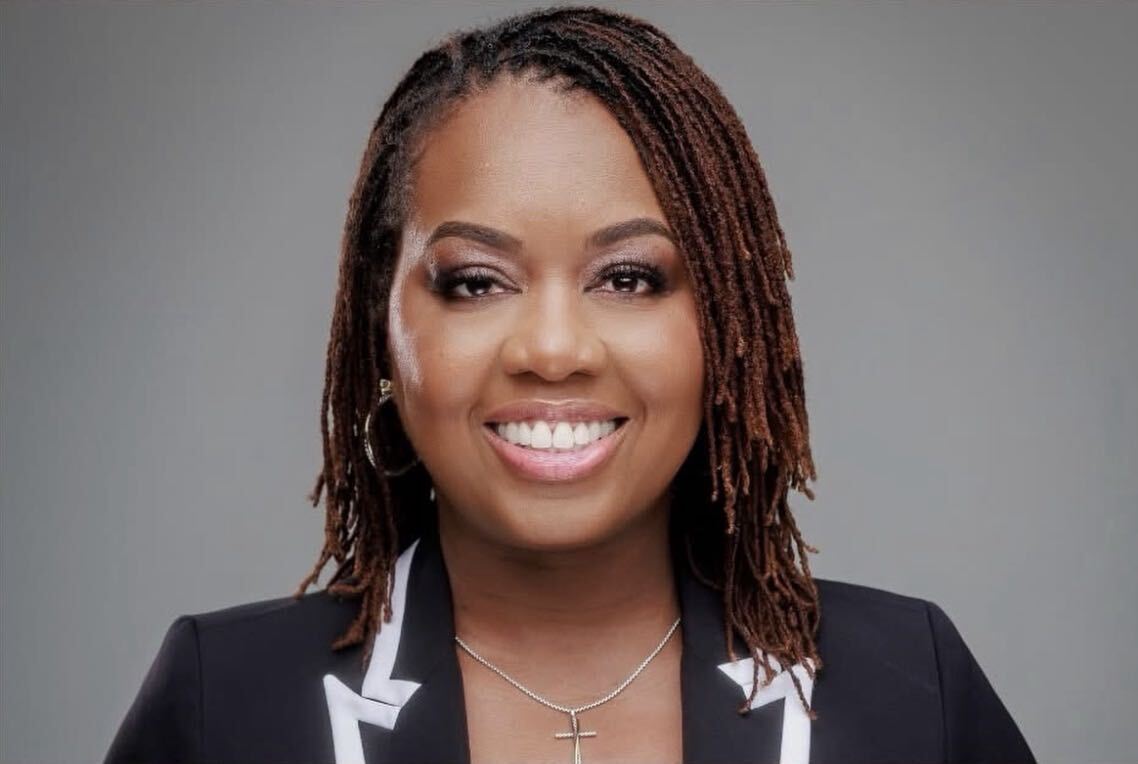
El-Sayed picked Diana Abdelall, an Egyptian-American attorney who has worked at the white shoe firm Sidley Austin, as director of his transition. El-Sayed's allies on the left hailed the selection, citing her work for the Biden Department of Homeland Security and Kamala Harris's 2024 presidential campaign. Former Bernie Sanders aide Matt Duss called Abdelall a "great pick" who will help El-Sayed "build a strong Senate team."
But the appointment could open El-Sayed up to scrutiny from his liberal base who were drawn to his calls for "Medicare for All" and affordable health care. Abdelall was a registered lobbyist at Sidley Austin from 2007 to 2010, where she lobbied on behalf of Bayer Healthcare, a subsidiary of the German pharmaceutical giant Bayer, and Talecris Biotherapeutics, a global plasma-derived drugmaker, according to lobbying records filed with Congress.
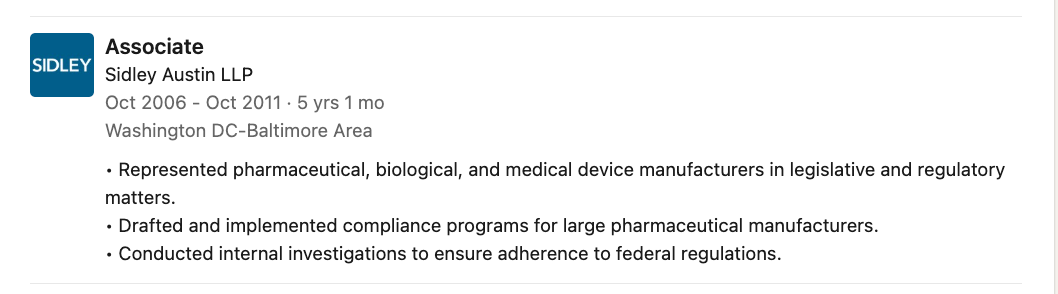
Abdelall, who has faced scrutiny for stating that "Zionists" are "controlling" American politics, drafted compliance programs for "large pharmaceutical manufacturers" and "represented pharmaceutical, biological, and medical device manufacturers in legislative and regulatory matters," according to her LinkedIn profile.
The drug companies paid $8.1 million to Sidley Austin during Abdelall's tenure, records show. She lobbied the Department of Health and Human Services and the Centers for Medicare and Medicaid Services on issues such as "Medicare reimbursement," diabetes drugs, "Medicaid and Health Care reform," including Obamacare, according to lobbying disclosures.
The major drug companies can draw as much as half their U.S. revenue from Medicare and, to a much lesser extent, from Medicaid and the Department of Veterans Affairs. Getting the drug companies to charge Medicare less is a top priority for proponents of health care reform.
El-Sayed's choice of Abdelall is a surprising development, considering that El-Sayed's campaign tagline was "money out of politics, money in your pocket, Medicare for All." El-Sayed, an epidemiologist who calls himself a medical doctor despite having never treated patients, has pledged to stop drug companies from using "legal means" to extend their drug patents, arguing that pharmaceutical companies use the tactic to keep drug prices high.
"I think we all agree Big Pharma is a big problem," El-Sayed said during the campaign.
El-Sayed assailed Mike Rogers, his Republican opponent, as a "Big Pharma sellout" and ran TV ads that falsely claimed Rogers worked as a lobbyist for the industry after leaving Congress. El-Sayed pulled the ads after Rogers, who has never lobbied for drug companies, threatened to sue the Democrat over the false information. El-Sayed also hammered Rogers during the campaign for owning a home in Florida. El-Sayed himself owns property in a "luxury" housing development in the United Arab Emirates.
While Abdelall worked for Bayer Healthcare in 2008, the drug giant settled with the Department of Justice for $98 million for paying kickbacks to diabetes drug suppliers and forcing them to submit false billing claims to Medicare. Talecris spent heavily to "extend the commercial life" of its products through patent litigation, the kind of practice El-Sayed decried on the campaign trail. The companies, like most drugmakers, lobbied on the Obamacare bill—not to kill it, but to get favorable deals with Congress and the Obama administration to protect industry profits.
Though El-Sayed's rhetoric on drug companies may put him at odds with Abdelall, they share similar views on an issue near and dear to El-Sayed: Israel.
Like El-Sayed, Abdelall is a staunch critic of the Jewish state and claimed in 2002 that "Zionists" were "controlling" American politics, the Free Beacon reported. During the campaign, El-Sayed asserted that Israel pushed President Donald Trump into war with Iran. El-Sayed has also disputed that Israel is an ally of the United States and equated it with Iran, the world's largest state sponsor of terrorism.
El-Sayed's transition team and Abdelall did not respond to requests for comment.