



With Donald Trump and the Iranian regime lurching between continuing an economic war of attrition and announcing that a deal is imminent, the Persian Gulf remains volatile. But just to the north of Iran, an earlier Trump peace offensive is yielding its first fruits.
Armenian voters just gave a majority to incumbent prime minister Nikol Pashinyan this week. The election's result was not just a humiliation for Vladimir Putin, who wanted a new and more pliant government in Yerevan. It was also a strong endorsement of the accords Trump brokered last year between Armenia and Azerbaijan, and it could lead to further American success in Eurasia.
The Caucasus region does not loom large in the American mind, but that has not always been the case. American missionaries first reached the Armenians in the 1830s, and their successors were some of the few to help during the Armenian genocide: Washington did not declare war on the Ottoman Empire in 1917 largely to preserve that humanitarian mission. Today, though, more Americans are familiar with famous Armenian Americans, like Cher and the Kardashians, than the country itself.
The region has fared miserably since the Soviet Union dissolved. Russia brutally suppresses Muslim separatist groups, Putin kicked off his campaign of militarism by invading Georgia in 2008, and Armenia and Azerbaijan fought several wars over territorial disputes. In a foreshadowing of the Ukraine war, Azerbaijan used Israeli and Turkish drones in 2020 to devastate Armenia's more conventional, Russia-supplied army. Around 100,000 Armenians left when Azerbaijan seized the disputed Nagorno-Karabakh enclave in 2023 and effectively ended the decades-long conflict.
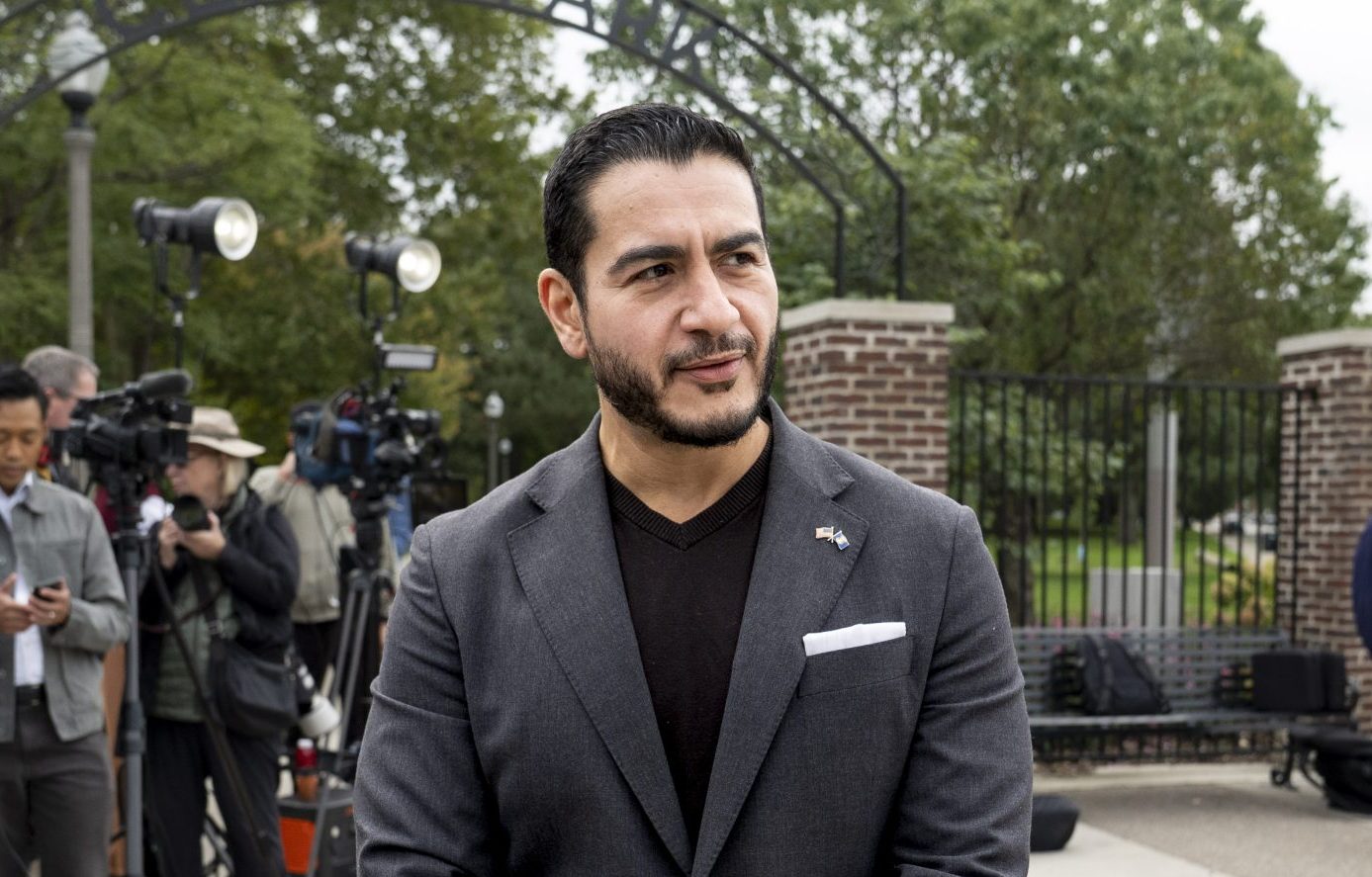
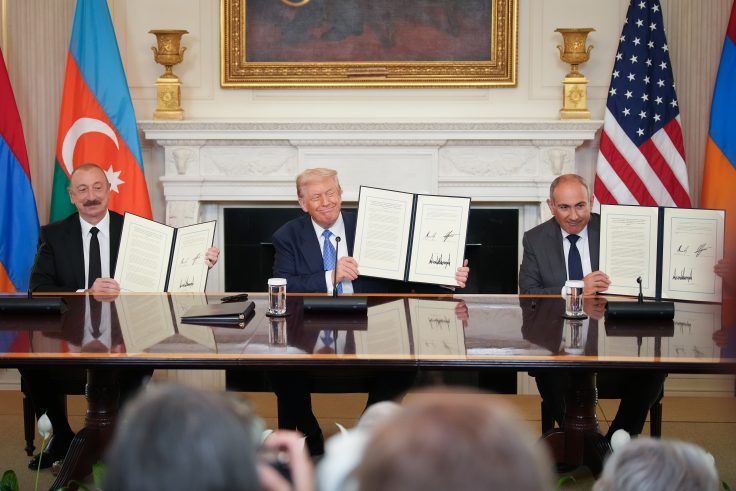
Pashinyan, who has seen firsthand the dubious value of Russian friendship, wants to bury the hatchet with Azerbaijan and move beyond the Russian axis. In addition to signing a peace deal with Azerbaijan's Ilham Aliyev at the White House, he campaigned on fulfilling the promise of those accords, froze participation in a Moscow-led security group, and aspires to join the European Union.
These actions resolve the biggest headache in the region for U.S. policymakers, which is that domestic and geopolitical interests have been at odds. Although neither country can totally avoid Russia's orbit, Azerbaijan—which has about three times the population, territory, and GDP of Armenia—is closer to Israel and Turkey. Armenia has historically favored Iran and still hosts a Russian military base from its era of dependency. So Azerbaijan has been the stronger and wealthier partner that is more aligned with America's allies, but the Armenian diaspora and their sympathizers carry more weight in U.S. politics. Aligning Armenia's and Azerbaijan's interests will alleviate some of America's problems.
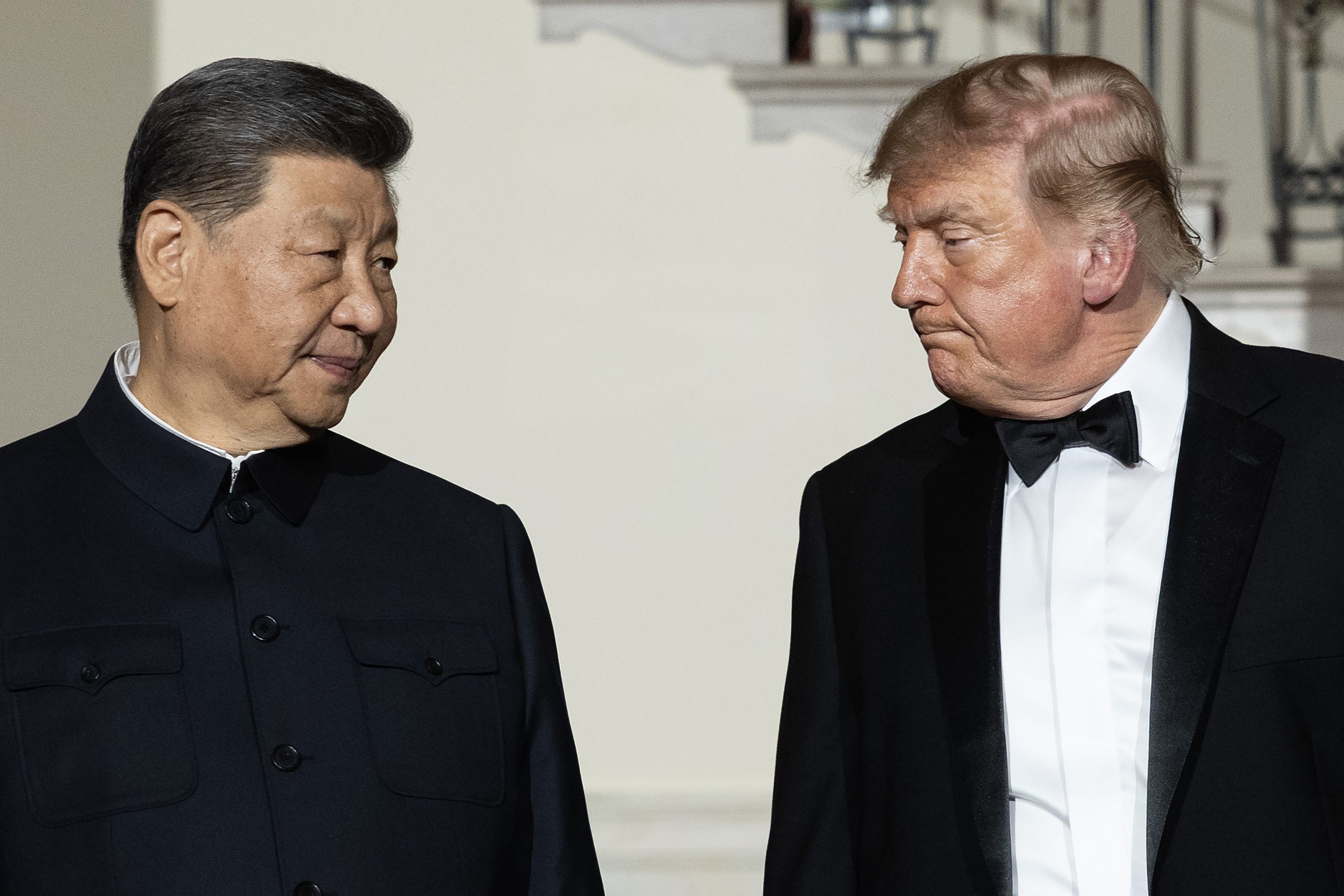
The Kremlin is clearly disturbed by Armenia's realignment, which the Trump administration is encouraging. Shortly before the vote, Russia banned imports of some Armenian products and Putin warned, "The crisis in Ukraine began with attempts to join the E.U." By contrast, Vice President J.D. Vance visited Azerbaijan and Armenia in February, Secretary of State Marco Rubio followed up last month, and Trump issued a "COMPLETE and TOTAL Endorsement" of Pashinyan.
The American concern for Armenia extends beyond Trump's birthday wish of "peace for the whole world." There are only three routes for Central Asian energy and other resources to reach Europe and the transatlantic world: through Russia, Iran, or Azerbaijan. As Georgia falls back into Russia's orbit, Armenia offers another route across the Caucasus isthmus. The transportation corridor Washington is developing with Armenia could lessen Russian influence over the entire region and, in time, help stabilize global energy markets.
Putin aims to enlarge the Russian empire, not to watch it shrink, and he will not let this humiliation go unpunished. The disastrous invasion of Ukraine limits Moscow's ability to inflict damage, but not its resolve. Stirring up trouble in the region, which Moscow has a history of doing, would embarrass pro-Western parties there and tempt Armenia and Azerbaijan to ask Moscow for help.
If Trump can keep the region calm, building that corridor to Central Asia would be the next order of business. Russian elites are uncomfortable with the growing influence there of China, which is building out physical infrastructure and recently became the top foreign investor and trade partner. Since Washington effectively abandoned Central Asia when it gave up Bagram Air Base, a renewed American presence would be large enough to alarm Beijing and Moscow and drive them together, but too small to accomplish much. Encouraging the Europeans and Indians, who are desperate to keep Russia and China apart, to take a greater role in Central Asia might be more effective.
Helping Pashinyan build a better future with Azerbaijan will help both countries and benefit Americans—but it can only happen by overcoming Russian malfeasance.